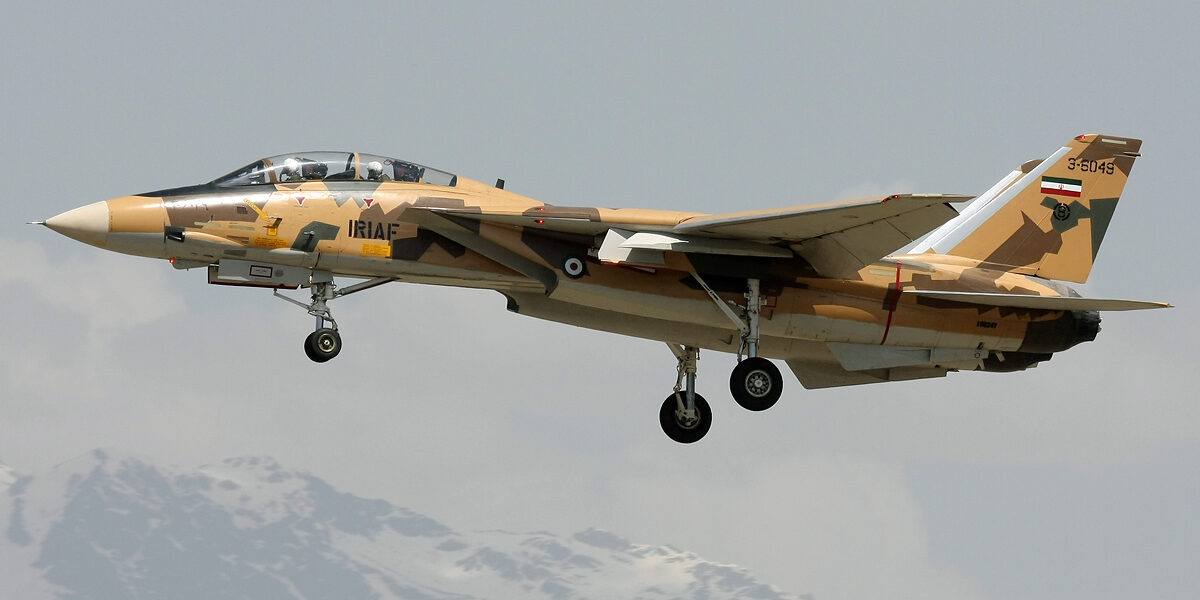
As someone who has followed tactical aviation for years and studied these platforms in detail, I learned everything there is to know about how the F-15 and F/A-18 actually stack up. Today, I will share it all with you.
Both aircraft have four decades of combat proving behind them, but they came from completely different design philosophies. Understanding why reveals the strategic thinking behind how America structures its fighter force.
Origins: Different Services, Different Needs
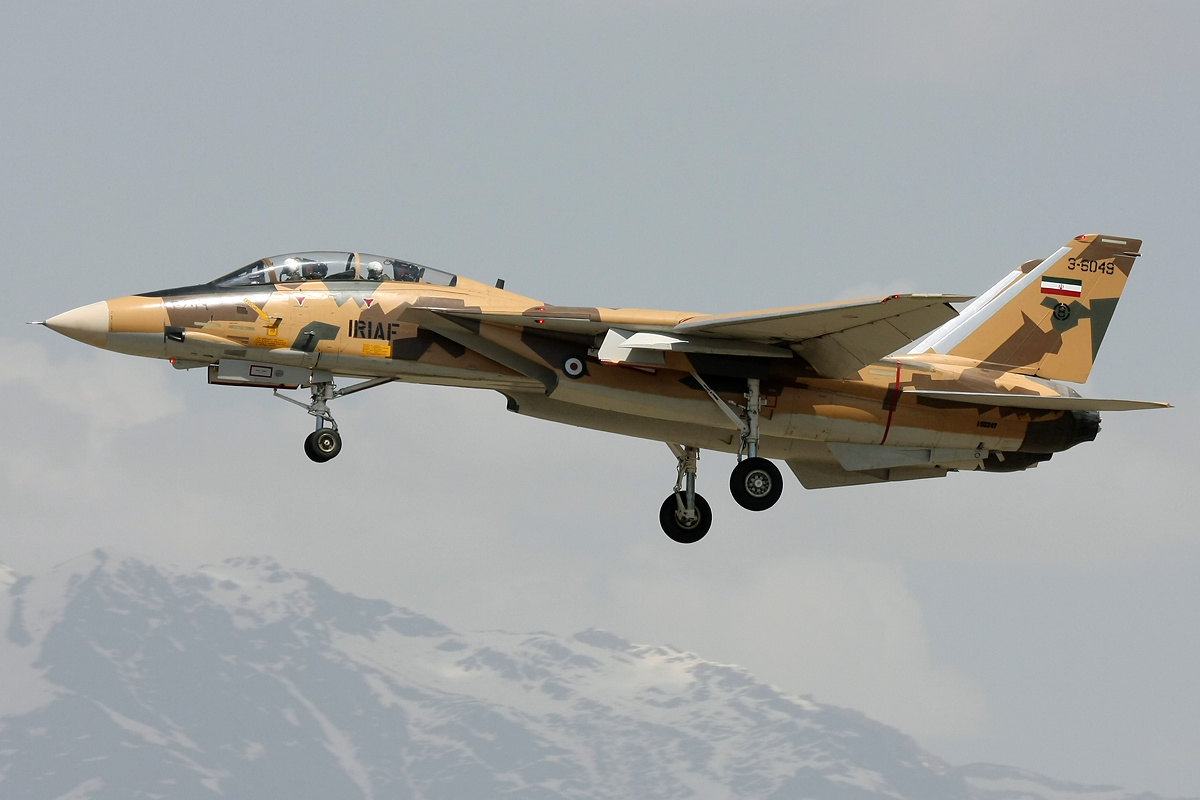
F-15 Eagle
The Air Force built the F-15 after Vietnam taught them painful lessons about air combat. One mandate drove everything: achieve absolute air superiority. “Not a pound for air-to-ground” became the unofficial motto. They wanted a pure fighter optimized for dogfighting and beyond-visual-range kills.
First flight: July 1972
Service entry: 1976
F/A-18 Hornet
The Navy needed something different—a versatile carrier aircraft that could do multiple jobs. The “F/A” designation tells you everything: Fighter/Attack. Multi-role was baked in from day one.
First flight: November 1978
Service entry: 1983
Technical Specifications Compared
| Specification | F-15C Eagle | F/A-18E Super Hornet |
| Length | 63.8 ft | 60.3 ft |
| Wingspan | 42.8 ft | 44.9 ft |
| Max Speed | Mach 2.5 | Mach 1.8 |
| Combat Radius | 1,061 miles | 449 miles |
| Service Ceiling | 65,000 ft | 50,000 ft |
| Thrust-to-Weight | 1.04:1 (loaded) | 0.93:1 (loaded) |
| Hardpoints | 11 | 11 |
| Unit Cost (2026) | $87M (F-15EX) | $67M (Super Hornet) |
Air-to-Air Combat: Where the F-15 Dominates
The F-15’s combat record is insane: 104 confirmed aerial victories with zero losses in air combat. No other fighter in history comes close to that kill ratio.
F-15 Advantages:
- Superior speed: Mach 2.5 gets you to the intercept point first and gives you energy to burn
- Higher ceiling: Can fight from altitudes the Hornet simply cannot reach
- Greater range: More fuel means longer patrol times and deeper penetration into enemy territory
- Better sustained turn rate: Superior energy management when fights drag on
F/A-18 Advantages:
- Better instantaneous turn rate: Snaps onto targets faster in the initial merge
- Superior low-speed handling: Excellent nose authority when things get slow
- Smaller radar signature: Harder to spot than the bigger F-15
- Modern variants: Super Hornet comes with improved avionics and sensors
The original F-15C was a pure fighter, but the F-15E Strike Eagle turned the platform into a serious ground-attack machine. Still, the F/A-18 was built for multi-role from the beginning.
Ground Attack Comparison:
F-15E Strike Eagle:
- Payload capacity: 23,000 lbs
- Conformal fuel tanks keep hardpoints free for weapons
- Sniper targeting pod integration
- Nuclear delivery capable
F/A-18E/F Super Hornet:
- Payload capacity: 17,750 lbs
- Full JSOW, JDAM, Harpoon integration
- ATFLIR targeting pod
- Carrier-based flexibility puts you anywhere in the world
Carrier Operations: The Hornet’s Domain
The F/A-18 was purpose-built for carrier ops—an environment that would destroy an F-15:
- Folding wings: You need them to fit on the deck
- Reinforced landing gear: Has to survive arrested landings at 150+ mph
- Corrosion resistance: Saltwater eats aircraft alive
- Low approach speed: Makes carrier landings survivable
The F-15 has none of this. It operates from land bases only, which limits where you can put it but lets the engineers focus purely on performance.
The 2026 Context: Why This Comparison Matters Now
F-15EX Eagle II Deliveries
The Air Force is buying new-build F-15EX aircraft—first new Eagles in over 20 years. These birds bring:
- Advanced AESA radar
- Open mission systems architecture
- Capacity for 22 air-to-air missiles
- Fly-by-wire controls
Super Hornet Production Ending
Boeing’s Super Hornet line shuts down in 2027. Navy gets final deliveries in 2025. The jets will fly into the 2040s, but replacement by F-35C and eventually NGAD is already planned.
Future Force Structure
The Air Force will run F-15EX alongside F-35As. The Navy transitions from Super Hornets to F-35Cs. Both services are investing in sixth-gen concepts that’ll replace everything eventually.
Which Is “Better”?
Wrong question. These aircraft answer to different services with different missions:
Pick the F-15 when:
- Air superiority is the main job
- Long-range intercept matters most
- You need to haul massive weapons loads
- You’re operating from established land bases
Pick the F/A-18 when:
- Carrier-based operations are required
- Multi-role flexibility matters more than specialization
- You’re operating in contested maritime environments
- Budget constraints push you toward lower unit costs
The Verdict
Both aircraft sit at the top of fourth-generation fighter design. The F-15’s undefeated record and raw performance make it the most successful air superiority fighter ever built. The F/A-18’s versatility and carrier capability make it irreplaceable for naval aviation.
Fifth and sixth-generation aircraft are coming, pushing both the Eagle and Hornet toward retirement. But the design lessons from these platforms will shape tactical aviation for decades.
The U.S. Air Force currently operates approximately 450 F-15s across all variants. The Navy maintains roughly 540 F/A-18E/F Super Hornets in active and reserve squadrons.




Stay in the loop
Get the latest aviate ai updates delivered to your inbox.