
As someone who’s seen these systems evolve from basic optimization to real-time route adjustments, I learned everything there is to know about what actually delivers value. Today, I will share it all with you.
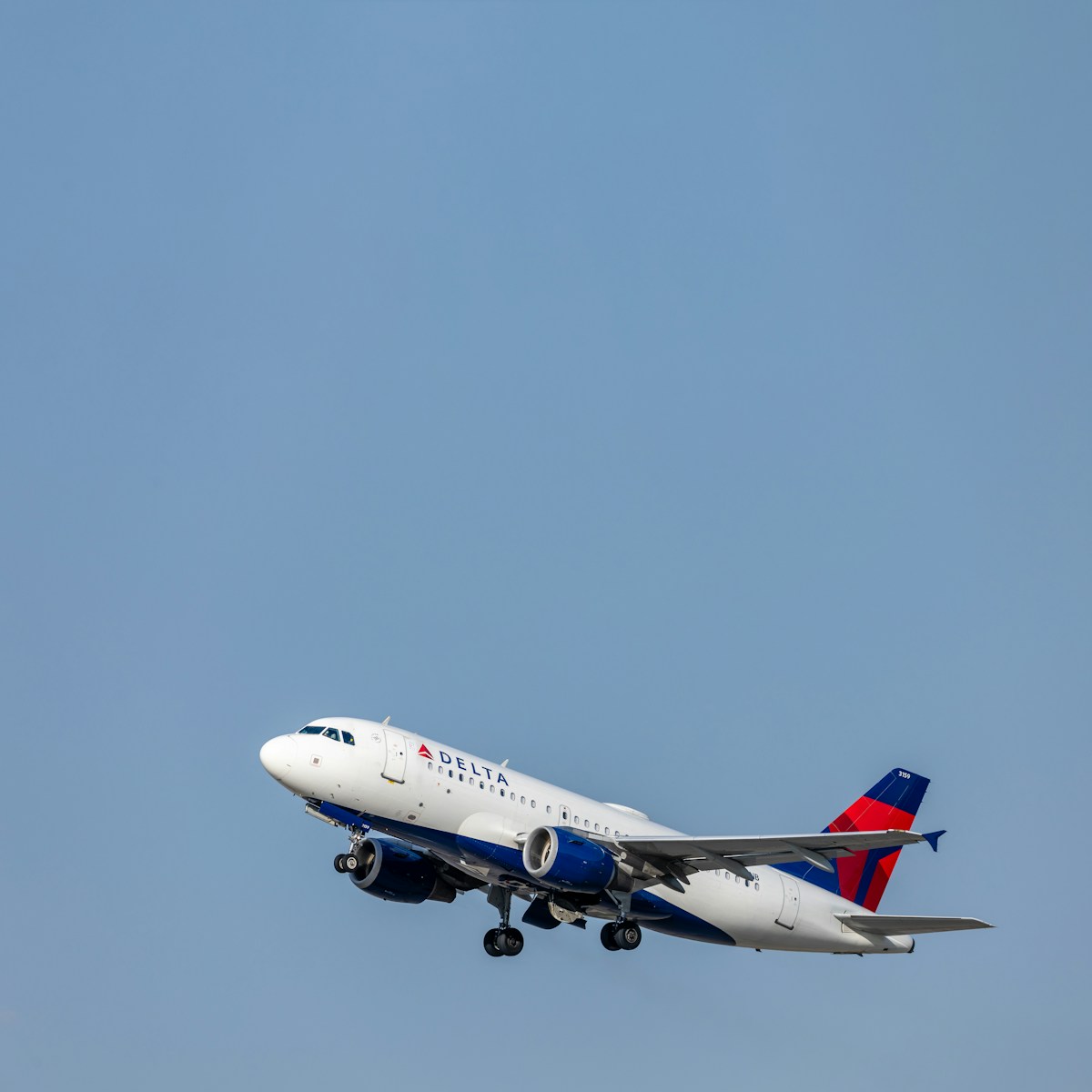
Every commercial flight begins long before the aircraft pushes back from the gate. Flight planning—selecting routes, altitudes, and fuel loads—has traditionally required experienced dispatchers balancing dozens of factors. Artificial intelligence is transforming this process, finding optimal solutions impossible for humans to calculate while adapting in real-time to changing conditions.
Why Flight Planning Is So Complicated
Modern flight planning must consider:
Route Factors
- Airway structure — Published routes between navigation points
- Direct routing — Point-to-point options where permitted
- Overflight fees — Charges for crossing sovereign airspace
- Political restrictions — Areas to avoid for diplomatic reasons
- Military activity — Temporary restricted zones
Weather Factors
- Winds aloft — Jet streams and prevailing winds at various altitudes
- Turbulence — Forecast and reported areas of rough air
- Convective weather — Thunderstorm avoidance
- Icing conditions — Altitudes and routes with icing risk
Performance Factors
- Aircraft weight — Payload, fuel, and operating empty weight
- Altitude capability — Maximum altitude based on weight
- Engine performance — Actual vs. book performance
- Fuel consumption — Burn rates at various altitudes and speeds
Operational Factors
- Crew duty time — Legal limits on flight duration
- Alternate airports — Requirements for diversion capability
- ETOPS compliance — Extended operations over water
- Airport constraints — Runway lengths, noise restrictions, curfews
How AI Actually Optimizes This
Multi-Objective Optimization
AI evaluates millions of possible routes, considering:
- Fuel cost (often the primary objective)
- Flight time (affects crew costs and connections)
- Overflight costs (can be significant for international flights)
- Passenger comfort (turbulence avoidance)
- Environmental impact (emissions and noise)
Dynamic Re-Planning
Unlike static plans filed before departure, AI systems continuously optimize based on:
- Weather updates during flight
- Traffic flow changes
- New NOTAM information
- ATC restrictions
Learning from History
Machine learning models analyze:
- Which planned routes actually work best
- Where ATC typically assigns different routing
- Actual fuel burn vs. planned for various conditions
- Connection success rates for tight turns
The Cost Impact
Airlines report significant savings from AI optimization:
Fuel Savings
2-5% fuel reduction through:
- Optimal altitude selection
- Better wind utilization
- Efficient routing
- Reduced tankering when appropriate
For an airline burning $5 billion in fuel annually, that’s $100-250 million saved. Real money.
Time Savings
Shorter flight times from better routing save crew costs and improve aircraft utilization.
Reduced Delays
Proactive weather avoidance and traffic prediction reduce weather-related delays and diversions.
AI Flight Planning Systems
Real-Time Optimization in Flight
Modern AI doesn’t stop at departure—it continues optimizing during flight:
Step Climb Optimization
As fuel burns off, aircraft become lighter and can climb to more efficient altitudes. AI calculates optimal timing for altitude changes.
Direct Route Opportunities
When ATC offers direct routing, AI instantly evaluates whether to accept based on wind, fuel, and time impact.
Altitude Adjustments
AI recommends altitude changes based on real-time wind observations from other aircraft.
Speed Optimization
Trade-offs between speed (fuel cost) and time (crew cost, connections) are continuously balanced.
Integration with Other Systems
AI flight planning connects with:
- Weather services — Real-time meteorological data
- Traffic management — Flow control and expected delays
- Maintenance systems — Aircraft capability limitations
- Crew scheduling — Duty time constraints
- Revenue management — Connection importance
Environmental Benefits
AI flight planning supports sustainability goals:
- Fuel efficiency — Direct emissions reduction
- Contrail avoidance — Routing to minimize climate-warming contrails
- Noise optimization — Routes minimizing population exposure
- SAF integration — Planning for sustainable aviation fuel availability
Dispatcher-AI Collaboration
AI doesn’t replace dispatchers—it augments them:
- AI proposes optimized plans
- Dispatchers review and validate recommendations
- Human judgment handles edge cases and exceptions
- AI learns from dispatcher modifications
This collaboration combines AI’s computational power with human expertise and accountability.
The Challenges
Data Quality
Planning depends on accurate weather forecasts, traffic predictions, and aircraft performance data. Errors propagate into suboptimal plans.
Uncertainty Handling
Future conditions are inherently uncertain. AI must plan robustly for the range of possibilities, not just expected conditions.
ATC Compatibility
Optimal plans must be acceptable to air traffic control. Understanding which requests will be approved is an ongoing challenge.
Regulatory Compliance
Plans must comply with regulations that vary by aircraft type, operator, and route—complex constraints for AI systems.
Where This Is Heading
Emerging capabilities include:
- Fleet-wide optimization — Coordinating plans across entire airline operations
- Predictive planning — Generating plans based on predicted bookings
- Autonomous adjustment — AI implementing changes without dispatcher approval
- Cross-airline coordination — System-wide optimization across multiple operators
Implementation Best Practices
Airlines succeeding with AI flight planning:
- Start with clear objectives and success metrics
- Ensure high-quality data feeds
- Involve dispatchers in design and testing
- Deploy incrementally, building trust
- Monitor and measure actual versus predicted performance
- Continuously refine based on results
The Bottom Line
AI flight planning exemplifies artificial intelligence at its best in aviation: handling complexity beyond human calculation, adapting in real-time to changing conditions, and delivering measurable value. Every day, AI-optimized flight plans save millions of dollars in fuel while reducing environmental impact and improving on-time performance.
As these systems continue advancing, the gap between AI-planned and traditionally-planned flights will only widen—making AI an essential competitive tool for any airline.




Stay in the loop
Get the latest aviate ai updates delivered to your inbox.