
As someone who’s watched this technology evolve from basic models to neural networks analyzing satellite data in real-time, I learned everything there is to know about what actually works. Today, I will share it all with you.
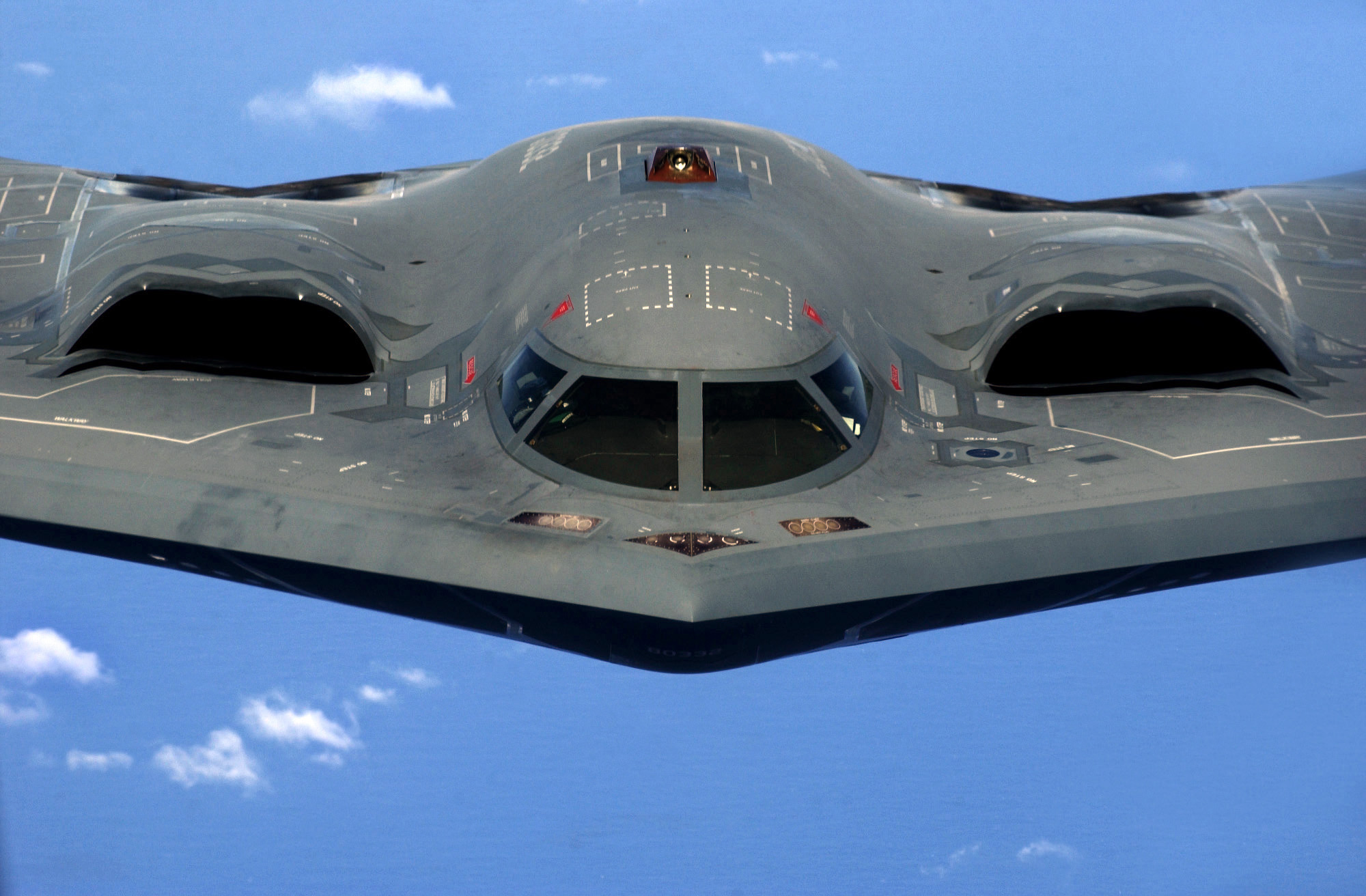
Here’s the uncomfortable truth: weather kills more aircraft than mechanical failures. Thunderstorms, icing, turbulence, and low visibility cause accidents, delays, and billions in costs annually. Artificial intelligence is revolutionizing aviation weather forecasting, providing predictions more accurate and actionable than ever before.
Why Weather Matters So Much in Aviation
Weather affects every aspect of aviation operations:
- Safety — Thunderstorms, icing, and turbulence create hazards that can bring down aircraft
- Capacity — Poor visibility reduces airport acceptance rates
- Efficiency — Weather deviations consume extra fuel
- Passenger experience — Delays and discomfort from turbulence
- Ground operations — Snow, ice, and wind affect turnaround times
Traditional forecasting, while improving, still leaves significant uncertainty. AI is closing that gap.
How AI Improves Weather Prediction
Processing More Data Than Humans Ever Could
AI weather systems ingest data volumes impossible for human forecasters:
- Satellite imagery — Continuous global coverage at high resolution
- Weather radar — Networks of ground-based precipitation radar
- Aircraft reports — Thousands of in-flight weather observations
- Surface stations — Ground-based sensors worldwide
- Radiosondes — Balloon-launched atmospheric profiles
- Ocean buoys — Marine weather data
Pattern Recognition
Deep learning identifies patterns in atmospheric data that traditional models miss:
- Precursors to thunderstorm development
- Conditions favorable for turbulence
- Fog formation and dissipation indicators
- Icing probability signatures
Rapid Updates
AI models update predictions continuously, not just at fixed intervals. As new data arrives, forecasts adjust in real-time. The forecast you looked at an hour ago isn’t the same one available now.
Turbulence Prediction
Turbulence is aviation’s most common weather hazard.
Types of Turbulence
- Convective — Associated with thunderstorms
- Clear-air (CAT) — Invisible turbulence in jet stream regions
- Mountain wave — Generated by airflow over terrain
- Wake turbulence — From preceding aircraft
AI Prediction Methods
Machine learning models combine:
- Atmospheric model outputs predicting shear and instability
- Pilot reports (PIREPs) of actual turbulence encounters
- Aircraft sensor data transmitted via ACARS
- Satellite-derived atmospheric motion vectors
Actual Results
AI-enhanced turbulence forecasts achieve:
- 80%+ probability of detection for significant turbulence
- 2-3 hour advance warning of conditions
- Vertical resolution allowing altitude recommendations
- Route-specific guidance for flight planning
Convective Weather Nowcasting
Thunderstorms are aviation’s most dangerous weather. AI “nowcasts” provide short-term predictions:
- Cell tracking — Predicting thunderstorm movement and development
- Initiation prediction — Forecasting where new storms will form
- Intensity trends — Whether storms are strengthening or weakening
- Hazard mapping — Hail probability, lightning risk, wind shear potential
AI nowcasts extend useful prediction horizons from 30 minutes to 2-4 hours for convective weather. That’s enough time to actually do something about it.
Visibility and Fog Forecasting
Low visibility grounds aircraft and causes massive delays. AI improves fog prediction:
- Formation prediction — When fog will develop at specific airports
- Dissipation timing — When visibility will improve
- Stratus height — Ceiling predictions for approach planning
- Local effects — Airport-specific factors affecting visibility
Icing Forecasting
Aircraft icing occurs when supercooled water droplets freeze on contact. AI enhances prediction:
- Icing probability — Likelihood of encountering icing conditions
- Severity prediction — Light, moderate, or severe accumulation rates
- Type classification — Rime vs. clear ice affecting severity
- Altitude bands — Identifying ice-free altitudes
Airport-Specific Forecasting
AI provides hyper-local forecasts for individual airports:
- Runway visual range (RVR) — Visibility along specific runways
- Crosswind predictions — Runway-specific wind forecasts
- Ground stops — Predicting when stops will be needed and lifted
- Delay estimation — Expected delays based on weather impact
Integration with Flight Operations
AI weather predictions drive operational decisions:
Flight Planning
Dispatch systems incorporate AI weather to:
- Route around predicted hazards
- Calculate fuel for weather deviations
- Select optimal cruise altitudes
- Plan alternate airports based on conditions
In-Flight Updates
Cockpit weather displays showing AI-enhanced forecasts help pilots:
- Plan tactical weather avoidance
- Request altitude changes for turbulence
- Prepare passengers for rough conditions
- Coordinate with dispatch for route changes
Ground Operations
Airport operators use AI weather for:
- De-icing resource positioning
- Snow removal scheduling
- Ground delay program planning
- Staff scheduling based on expected conditions
The Technology Behind AI Weather
Multiple AI techniques power aviation weather forecasting:
- Convolutional neural networks — Processing satellite and radar imagery
- Recurrent networks — Capturing temporal patterns in weather data
- Ensemble methods — Combining multiple models for robust predictions
- Physics-informed ML — Incorporating atmospheric physics into learning
- Graph neural networks — Modeling spatial relationships in weather systems
Commercial Weather Providers
Several companies provide AI-enhanced aviation weather:
- DTN — Aviation-specific forecasting services
- Tomorrow.io — AI-powered weather intelligence
- Spire — Satellite and AI weather data
- The Weather Company — IBM Watson-powered aviation weather
- WSI — Professional aviation weather services
Validation and Accuracy
AI weather systems are continuously validated:
- Comparison against actual conditions
- Skill scores measuring improvement over traditional methods
- User feedback from pilots and dispatchers
- Post-event analysis of significant weather impacts
Where This Is Going
Emerging capabilities include:
- Personalized forecasts — Aircraft-specific predictions based on route and performance
- Climate integration — Incorporating changing climate patterns into forecasts
- Space weather — AI prediction of radiation and communication impacts
- Autonomous weather decisions — AI recommending or implementing weather responses
The Bottom Line
AI is transforming aviation weather forecasting from an art to a science. By processing unprecedented volumes of data, recognizing subtle patterns, and updating predictions in real-time, artificial intelligence provides weather intelligence that keeps aircraft safer and operations more efficient.
As these systems continue to improve, weather will become increasingly predictable—turning one of aviation’s greatest challenges into a manageable operational factor.



Stay in the loop
Get the latest aviate ai updates delivered to your inbox.