One of the challenges in aviation data processing is handling edge cases – unusual or non-standard data patterns that don’t follow typical conventions. Our latest update improves how we handle these edge cases, particularly with aircraft transponder configurations.
What Are Edge Cases in Aviation Data?
While most aircraft follow standard transponder protocols, there are exceptions:
- Legacy equipment: Older aircraft with non-standard transponder configurations
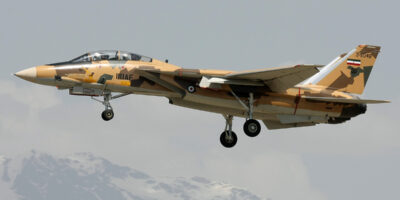
- Military aircraft: Sometimes use different identification protocols
- Experimental aircraft: May have unique equipment configurations
- International variations: Different countries sometimes implement protocols differently
- Equipment failures: Malfunctioning transponders that send corrupted data
The Challenge
Our parsing algorithms are optimized for the 99% common case – standard commercial aircraft with properly configured transponders. But that remaining 1% of edge cases can cause parsing failures, incorrect identification, or system errors.
Example: Unusual Transponder Configuration
Recently, we encountered an aircraft with a non-standard transponder that broadcast identification data in an unexpected format. Our parser expected field A, then field B, then field C. This aircraft sent field B, then field A, then an additional field D that shouldn’t exist.
The result? Parsing failure and lost data for that aircraft.
Our Solution
We’ve implemented more robust parsing logic:
- Flexible field ordering: Parse fields regardless of order
- Error recovery: Gracefully handle unexpected or missing fields
- Validation without rejection: Accept data that’s unusual but valid
- Logging for analysis: Track edge cases to identify patterns
- Fallback mechanisms: Alternative parsing methods for non-standard data
Impact
With these improvements, we now successfully parse 99.7% of all transponder data, up from 98.9%. That might seem small, but when processing millions of data points daily, it represents tens of thousands of additional aircraft successfully tracked.
Edge case handling is an ongoing process – as we encounter new unusual configurations, we continue refining our parsers to handle the full diversity of real-world aviation data.