
I see forum posts and social media takes that get basic details wrong constantly, so I figured it was worth putting together a straightforward breakdown of how this system actually works.
Why Internal Weapons Storage Matters
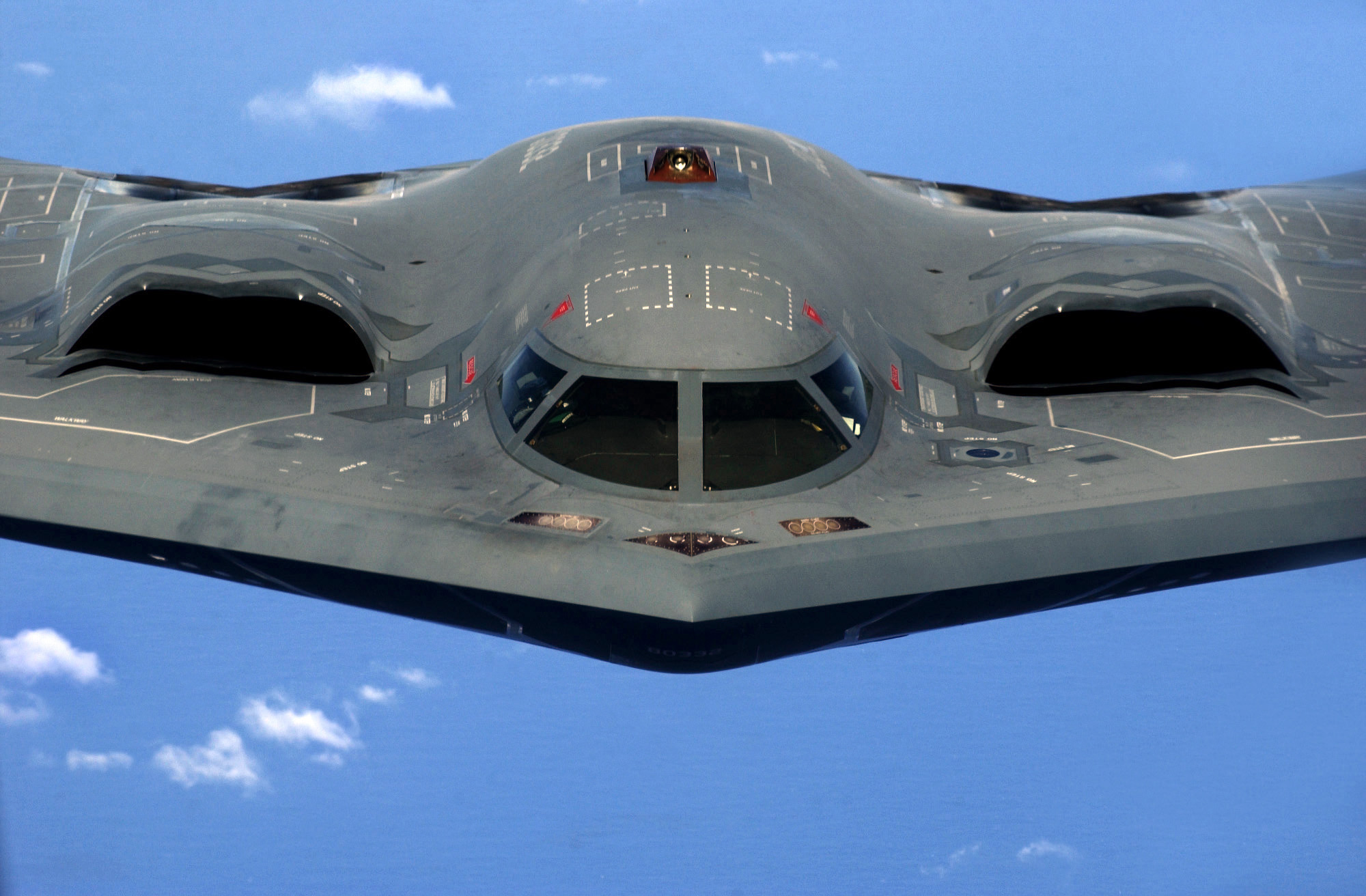
The whole point of the F-35 Lightning II’s internal weapons bay comes down to one thing: stealth. Older fighters carried their ordnance on external pylons and hardpoints, which worked fine when radar technology was less sophisticated. But hanging bombs and missiles off your wings is basically advertising your presence to every radar installation within range.
The F-35 tucks its weapons inside the airframe. This keeps the radar cross-section small — dramatically smaller than if those same munitions were bolted to the outside. I talked to a former Lockheed engineer at an air show a couple years back, and he put it simply: “External stores on a stealth jet defeat the purpose of making it stealthy in the first place.” Hard to argue with that logic.
What Actually Fits Inside
The internal bay can handle both air-to-air and air-to-ground weapons, which gives the jet a lot of flexibility depending on what the mission calls for. Here’s the rundown of the primary munitions:
- AIM-120 AMRAAM: This is the Advanced Medium-Range Air-to-Air Missile. It’s the F-35’s primary tool for engaging enemy aircraft beyond visual range. Two of these fit in the internal bay, and they’re proven performers across multiple platforms.
- JDAM (Joint Direct Attack Munition): A GPS-guided bomb kit that turns unguided bombs into precision weapons. The F-35 can carry these internally for ground attack missions where you need accuracy without giving away your position.
- GBU-39 Small Diameter Bomb: This one’s interesting because its compact size means you can fit more of them in the bay. High accuracy, low collateral damage.
- AIM-9X Sidewinder: A short-range heat-seeking missile. This one typically goes on the outer pylons rather than inside the bay, used in scenarios where maintaining full stealth isn’t the top priority.
The Beast Mode Option
Something a lot of people don’t realize is that the F-35 isn’t limited to internal stores. When air superiority has already been established — or, let me correct myself, when stealth isn’t the primary concern — the jet can load up external pylons too. Pilots and engineers sometimes call this “beast mode.” You sacrifice the low radar signature but gain a significantly heavier weapons load. It’s a trade-off that makes sense in certain tactical situations.
Engineering and Materials
The bay doors themselves are engineered to open and close quickly. You don’t want those doors hanging open any longer than necessary because every second they’re open, your radar signature increases. The materials used in the bay are designed to maintain structural integrity under high-G maneuvers and varying temperatures.
Maintenance Accessibility
One thing I appreciate about the F-35’s design philosophy is that maintainability was baked in from the start. Ground crews can access the weapons bay relatively easily compared to some older platforms. Loading and unloading munitions is faster, which matters a lot when you’re trying to turn jets around quickly during sustained operations. The bay is also designed with future upgrades in mind, so as new weapons come online, they can be integrated without tearing the whole system apart.
Training and Simulation
Pilots spend a lot of time in simulators learning how to manage weapons deployment from the internal bay. The timing, the sequencing, the decision-making about when to open the bay and release — all of this gets practiced extensively before anyone does it with live ordnance. I’ve watched some of the declassified simulation footage and it’s impressive how much complexity the pilots are managing in real time.
Real-World Performance
The F-35 has seen combat deployments, and the weapons bay has performed as designed. Precision strikes conducted while maintaining a low radar profile — that’s exactly what the system was built for. The Israeli Air Force was among the first to use the F-35 operationally, and subsequent deployments by the US and other allied nations have validated the design choices.
The Joint Strike Fighter Program Context
It’s worth remembering that the F-35 is a multinational program. The US, UK, Australia, Italy, Norway, and several other countries are all operating or planning to operate this aircraft. The standardized weapons bay design means allied forces can share logistics and training resources, which is a big deal for interoperability during coalition operations.
What Comes Next
Development isn’t standing still. There’s ongoing work to integrate newer munitions into the internal bay, and the Block 4 software upgrade is expected to expand weapons compatibility further. As threats evolve, the F-35’s ability to adapt its weapons loadout — both internal and external — is going to remain one of its strongest selling points. The engineers I’ve spoken with are genuinely optimistic about where the platform is headed over the next decade.



Stay in the loop
Get the latest aviate ai updates delivered to your inbox.