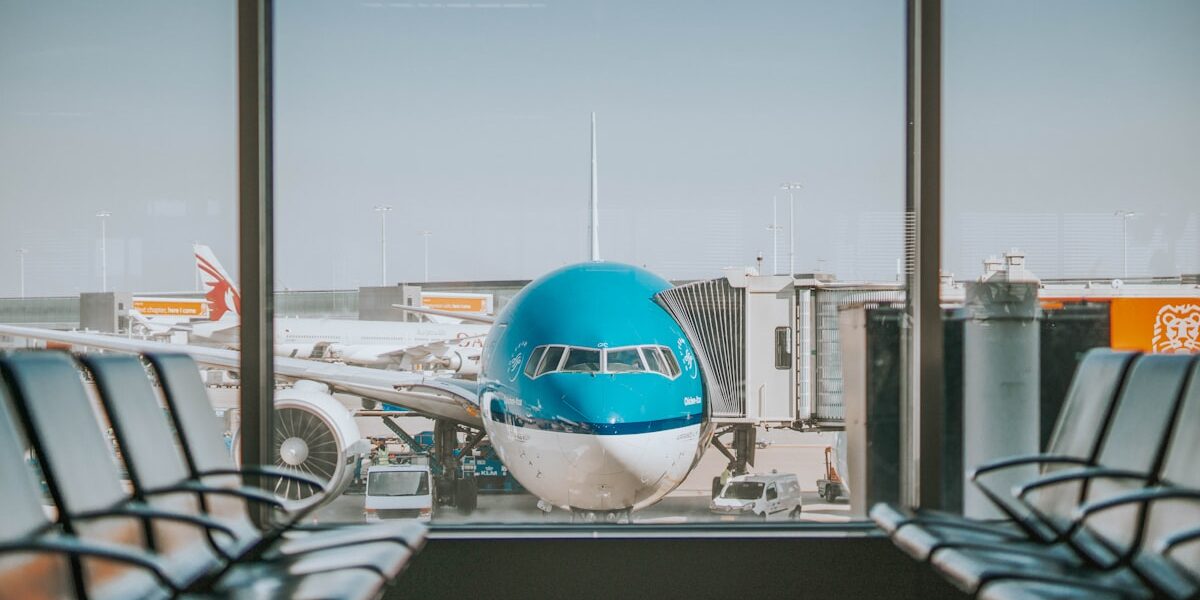
As someone who has followed Heathrow’s implementation closely, I learned everything there is to know about how machine learning handles 1,300 daily flights at one of the world’s busiest airports. Today, I will share it all with you.
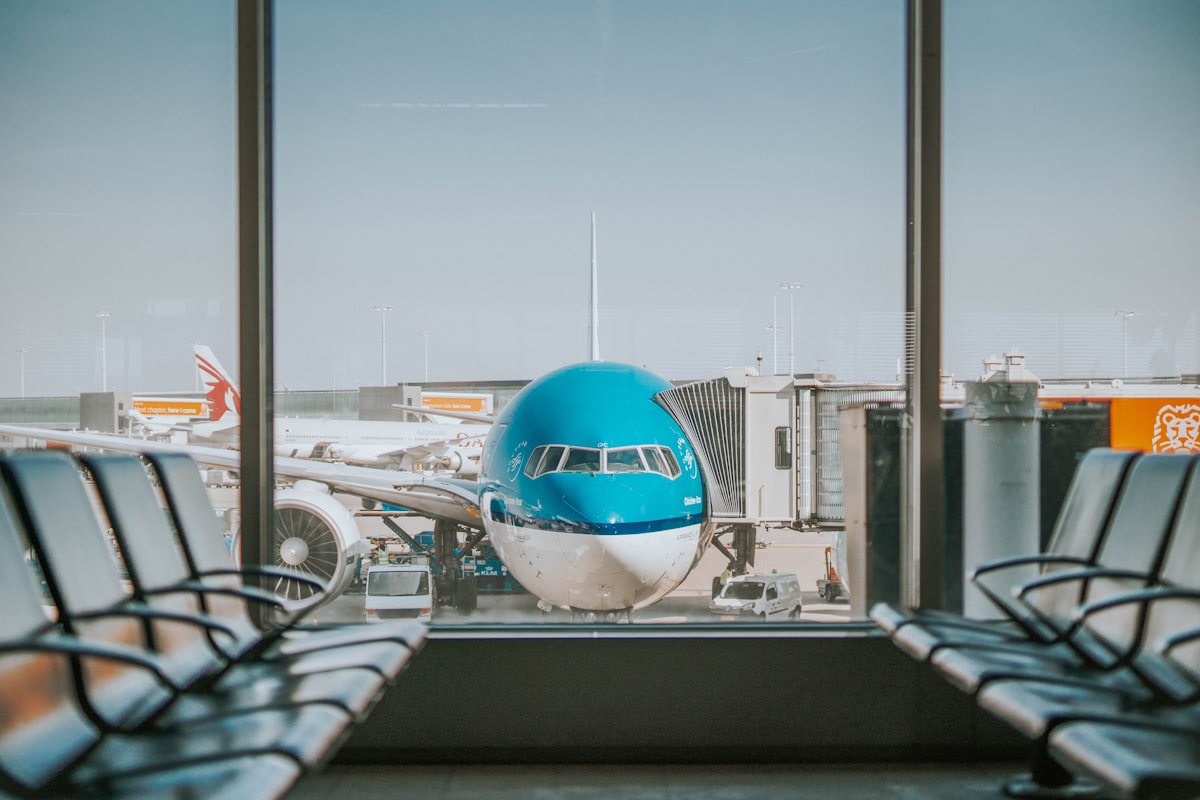
The Challenge of Heathrow’s Airspace
Heathrow operates in some of the most congested airspace on Earth. Controllers juggle:
- 1,300+ daily movements: Takeoffs and landings averaging one every 45 seconds during peak hours
- Two runways: Running mixed-mode configuration to squeeze out maximum capacity
- Complex arrival flows: Aircraft converging from multiple directions across southern England
- Noise restrictions: Strict protocols limiting approaches over residential areas
- Weather variability: Fog, crosswinds, and low visibility common in British conditions
Traditional ATC relies heavily on controller expertise and experience. But traffic volumes were pushing human cognitive limits, so NATS (the UK’s air navigation service provider) turned to AI for help.
How AI Enhances Traffic Management
The AI systems at Heathrow don’t replace human controllers—they augment them. Key capabilities include:
Arrival Sequencing Optimization
Machine learning algorithms analyze incoming traffic and calculate optimal arrival sequences that minimize delays while maximizing runway throughput. The system considers aircraft type, fuel status, connection requirements, and weather to propose sequences controllers can approve or modify.
Predictive Conflict Detection
AI continuously monitors all aircraft in the terminal area, predicting potential conflicts 10-15 minutes out. Early warning gives controllers time for gradual adjustments rather than emergency interventions.
Weather-Integrated Planning
The system ingests real-time weather data and adjusts capacity predictions automatically. When fog is predicted, AI recalculates arrival rates and suggests holding patterns before congestion develops.
Natural Language Processing in ATC
The Machine Learning Behind the System
Heathrow’s AI employs multiple machine learning approaches:
- Reinforcement learning: The system learns optimal sequencing from millions of simulated scenarios
- Neural networks: Deep learning predicts aircraft behavior based on historical patterns
- Decision trees: Explainable AI for safety-critical recommendations controllers must understand
- Ensemble methods: Multiple models combined to improve prediction accuracy
Safety Validation and Certification
Implementing AI in safety-critical aviation requires rigorous validation:
- Shadow mode testing: AI ran alongside human controllers for years before operational use
- Failure mode analysis: Every possible AI error case identified and mitigated
- Human override: Controllers retain complete authority to reject AI recommendations
- Continuous monitoring: AI performance tracked and audited in real-time
The Civil Aviation Authority developed new certification frameworks specifically for AI-assisted ATC systems.
Results and Performance Metrics
Since implementation, measurable improvements:
- 15% reduction in average arrival delays
- 8% increase in runway throughput during peak hours
- 22% fewer go-arounds due to spacing issues
- Improved fuel efficiency: More continuous descent approaches
- Reduced controller workload: Especially during high-traffic periods
Implications for Global Aviation
Heathrow’s success is being studied worldwide. Other airports and ANSPs are developing similar systems:
- FAA NextGen: Integrating AI into American airspace modernization
- EUROCONTROL: Coordinating AI development across European airspace
- Singapore Changi: Implementing AI-assisted sequencing for Asia-Pacific hub
- Dubai: Developing AI systems for one of the world’s busiest international airports
Challenges and Limitations
Despite success, significant challenges remain:
- Edge cases: Unusual situations where AI recommendations may be suboptimal
- System integration: Connecting AI with legacy ATC equipment
- Controller trust: Building confidence in AI recommendations
- Cybersecurity: Protecting AI systems from adversarial attacks
- Regulatory evolution: Updating rules for AI-assisted operations
The Human-AI Partnership
Controllers at Heathrow describe their relationship with AI as collaborative. The system handles routine optimization, freeing them to focus on complex decisions and unusual situations. Rather than replacing human judgment, AI amplifies it—providing recommendations backed by more data analysis than any human could process.
Looking Forward
Next generation AI ATC systems may include:
- Autonomous conflict resolution: AI-generated clearances for routine situations
- Cross-airport coordination: AI systems at multiple airports working together
- Integration with aircraft automation: Direct data links between ATC AI and flight management systems
- Predictive maintenance integration: Factoring aircraft health into traffic flow decisions
Conclusion
Heathrow’s AI implementation proves artificial intelligence can safely enhance operations at the world’s busiest airports. The technology doesn’t replace skilled controllers—it gives them superpowers. As these systems mature and spread globally, aviation moves closer to a future where AI and humans work together to move millions of passengers safely through increasingly crowded skies.


Stay in the loop
Get the latest aviate ai updates delivered to your inbox.