As someone who has tracked this technology evolution from early condition monitoring to today’s AI-powered predictions, I learned everything there is to know about what actually works. Today, I will share it all with you.
The Data Foundation
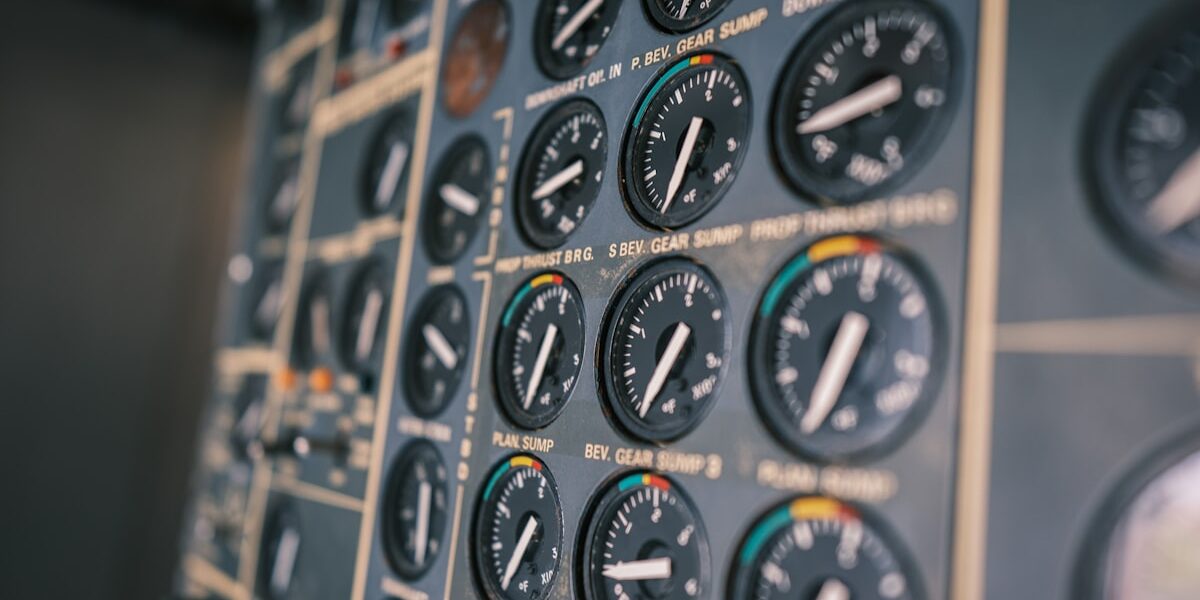
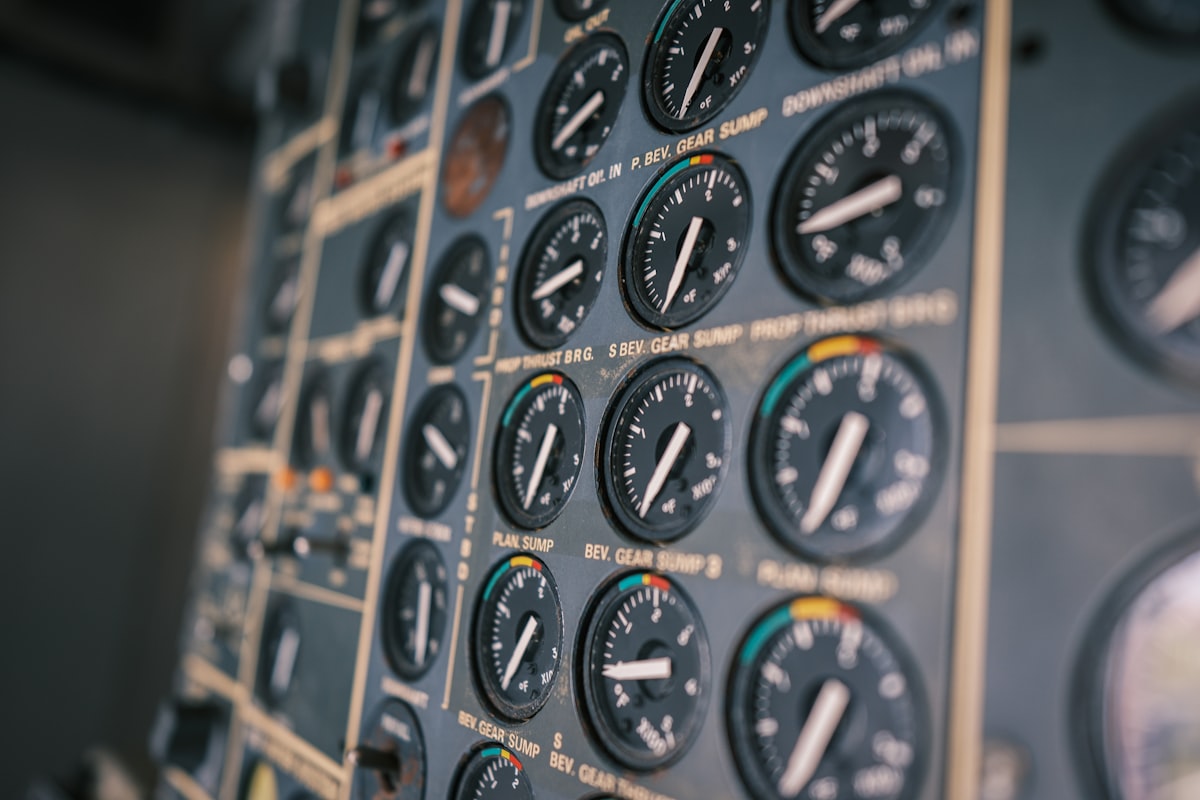
Modern aircraft are basically flying data centers. A single widebody generates terabytes per flight from thousands of sensors watching engines, flight controls, hydraulics, electrical systems, environmental controls, and dozens of other subsystems.
This data always existed, but capturing, transmitting, and analyzing it meaningfully is fairly recent. Early condition monitoring required physically pulling data recorders after flights. Now satellite and cellular connectivity enable real-time streaming of critical parameters.
The volume creates both opportunity and challenge. Opportunity because patterns invisible to humans become detectable through machine learning. Challenge because storing, processing, and securing that much data takes serious infrastructure investment.
Airlines typically partner with aircraft manufacturers, specialized analytics companies, or build internal IT teams to manage the pipeline from aircraft sensor to actionable insight.
Machine Learning Approaches
Predictive systems use various machine learning techniques depending on the application and available data.
Anomaly detection models learn normal operating patterns and flag deviations that might indicate developing problems. An engine vibration sensor showing subtle changes from historical baseline might trigger investigation even if readings stay within formal limits.
Regression models predict remaining useful life based on operating history and condition indicators. Maintenance planners schedule replacements optimally—neither too early (wasting component life) nor too late (risking failure).
Classification models categorize observed conditions into diagnostic categories, helping technicians focus investigations. A model might analyze engine parameters and suggest the most likely cause of an anomaly, cutting troubleshooting time.
Deep learning including neural networks identifies complex patterns across multiple data streams that simpler models miss. Particularly valuable for analyzing image data from visual inspections.
Engine Monitoring Applications
Engines are the highest-value application given their cost, criticality, and the consequences when they fail unexpectedly.
Major manufacturers—GE, Pratt & Whitney, Rolls-Royce, CFM—all offer sophisticated engine health monitoring. These programs analyze data from thousands of engines in service, applying fleet-wide insights to spot problems on individual aircraft.
The analytics examine exhaust gas temperature, fuel flow, vibration patterns, oil consumption, and dozens more indicators. Machine learning detects signature patterns associated with specific failure modes, often weeks or months before problems become critical.
Airlines report substantial benefits. Reductions in unscheduled engine removals of 30-50% are common, with some operators doing even better. An engine shop visit costs millions and takes an aircraft out of service for weeks, so these improvements hit hard financially.
Beyond avoiding failures, predictive analytics optimize engine life usage. Airlines route aircraft based on engine condition, extending intervals between shop visits while maintaining safety.
Airframe and Systems Monitoring
Landing gear monitoring analyzes brake wear, tire condition, and actuator performance to predict maintenance needs. Airlines have reduced unscheduled landing gear maintenance significantly through these systems.
APU monitoring applies similar techniques to the small engine providing ground power and air conditioning. APUs are prone to problems in demanding environments, making predictive analytics valuable for operators in hot climates or high-altitude airports.
Flight control system monitoring tracks actuator performance, hydraulic conditions, and electronic component health. Subtle changes in control response indicate developing problems before they affect handling.
Environmental control system monitoring prevents cabin pressurization and temperature problems that cause passenger discomfort and sometimes require diversions.
Integration with Maintenance Operations
Technology alone doesn’t deliver value—integration with maintenance operations is where predictive maintenance succeeds or fails.
Maintenance control centers receive alerts from predictive systems, but human judgment determines response. Experienced analysts evaluate recommendations in context, considering factors algorithms might miss: schedule requirements, parts availability, facility capabilities.
Work planning systems incorporate predictive insights alongside traditional scheduled tasks. When analytics indicate a component approaching end of life, planners schedule replacement during convenient maintenance opportunities rather than waiting for failure.
Technician interfaces present relevant insights during inspections and repairs. Someone investigating a reported problem sees historical trending, similar fleet cases, and model-generated diagnostic suggestions.
Supply chain systems use predictive data to position parts. If analytics indicate an engine likely needs a component within several weeks, supply chain ensures that part is available at the right maintenance location.
Challenges and Limitations
Despite progress, predictive maintenance in aviation still has real challenges.
Data quality affects model performance. Sensor malfunctions, transmission problems, and inconsistent measurement practices introduce noise that obscures meaningful patterns. Continuous quality monitoring and correction is essential.
Rare failure modes present difficulties. Machine learning needs examples to learn from, but some failures occur so infrequently that insufficient training data exists. These situations often require physics-based models or expert systems rather than purely data-driven approaches.
Model maintenance requires ongoing attention. Aircraft systems evolve through modifications and upgrades, operating environments change. Models trained on historical data become less accurate over time if not updated.
False positive management remains challenging. A system generating too many unfounded alerts loses credibility with maintenance staff. Calibrating sensitivity to maximize detection while minimizing false alarms takes careful tuning.
Economic Impact
The financial benefits are substantial and well-documented.
Reduced unscheduled maintenance directly improves aircraft utilization. Every avoided AOG situation means flights operating as scheduled, passengers reaching destinations, revenue not lost.
Extended component life generates parts and labor savings. When predictive analytics enable components to serve their full safe life rather than being replaced on conservative schedules, savings accumulate across thousands of parts per aircraft.
Improved troubleshooting efficiency reduces labor hours. When technicians begin repairs with diagnostic insights from predictive systems, less time goes to identifying problems and more to fixing them.
Better planning reduces inventory requirements. When future needs can be predicted reasonably accurately, airlines maintain leaner parts inventories while still ensuring availability.
Airlines implementing comprehensive programs report ROI of five to ten times investment, though results vary based on implementation quality and baseline conditions.
Future Directions
Predictive maintenance keeps advancing rapidly, with several developments shaping the near-term future.
Digital twins—detailed virtual models of individual aircraft and components—enable more sophisticated prediction by incorporating physics-based understanding alongside statistical learning. As this technology matures, prediction accuracy should improve significantly.
Edge computing moves analytics onto the aircraft itself, enabling real-time processing without depending on data transmission to ground systems. Particularly valuable for operators in regions with limited connectivity.
Generative AI may enable new diagnostic and troubleshooting approaches. Large language models trained on maintenance documentation could help technicians identify solutions faster.
Cross-fleet learning expands as more airlines share anonymized data for model development. Patterns undetectable in a single airline’s fleet become visible when data from dozens of operators combines.
The ultimate vision is continuous airworthiness—aircraft always ready because their condition is fully understood and any developing issues get addressed before becoming problems. That vision remains aspirational, but predictive maintenance brings it steadily closer.




Stay in the loop
Get the latest aviate ai updates delivered to your inbox.