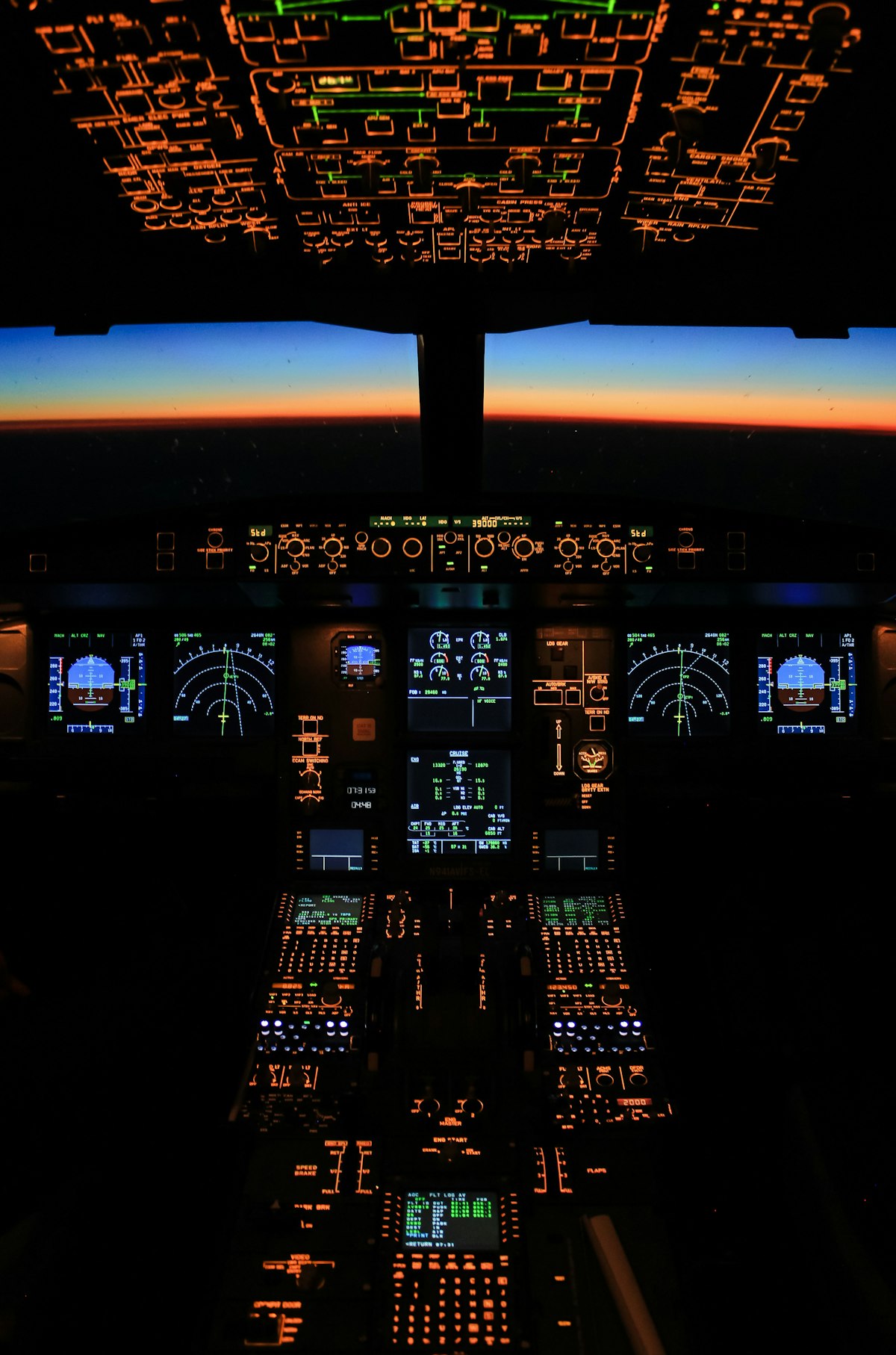
I was sitting in on a conference presentation last spring when an Airbus engineer pulled up a real-time dashboard showing sensor data from an A350 mid-flight. Thousands of data points streaming in — engine temps, structural loads, cabin pressure, fuel burn rates — all being crunched by algorithms that could flag anomalies before the flight crew even noticed them. I remember thinking: this is what digital transformation in aerospace actually looks like. Not a PowerPoint slide about “the future.” Just engineers using data to make better decisions, right now, in real time.
Advanced Manufacturing
3D printing is making a real impact in aerospace manufacturing. Complex parts that used to require multiple manufacturing steps can now be printed as single pieces, with less material waste and at lower cost. Some of these printed components are also lighter than their traditionally manufactured counterparts, which directly improves fuel efficiency.
Automation on the production floor is improving consistency and speed. Robots handle the repetitive work — drilling, fastening, surface preparation — while skilled workers focus on assembly tasks that require judgment and expertise. The net effect is faster production cycles and better quality control. I toured a composite layup facility recently that was running three shifts with robots doing most of the heavy lifting. Impressive, honestly.
Cybersecurity — The Unavoidable Topic
More digital systems means more attack surface. There’s no way around it. Aerospace companies are investing heavily in cybersecurity to protect everything from design data to flight systems to passenger information.
Dedicated security teams monitor for threats continuously. Systems get regular patches and updates. Employees go through training on security best practices because, let’s face it, the human element is usually the weakest link in any security chain. A single phishing email can do more damage than a sophisticated hack if someone clicks the wrong link.
Sustainability Through Digital Tools
Digital transformation is contributing to aerospace sustainability in ways that are measurable, not just aspirational. Data-driven insights help reduce fuel burn and emissions. Optimized flight paths mean less fuel wasted on inefficient routes. Better engine performance monitoring keeps powerplants running at peak efficiency longer.
3D printing reduces material waste compared to subtractive manufacturing. Digital ticketing and documentation cut paper usage. These aren’t going to save the planet on their own, but they add up, and they align with both regulatory requirements and corporate sustainability commitments.
Regulatory Compliance
Aerospace is one of the most heavily regulated industries on earth, and for good reason. Digital tools are making compliance management more manageable — or at least less painful. Document management systems keep everything organized and accessible. Automated compliance checks catch issues before they become audit findings. Digital records make the audit process itself faster and more transparent.
Getting compliance right isn’t optional. It’s what maintains the trust that the entire industry runs on.
Passenger Experience
For passengers, digital transformation shows up in small ways that add up. Mobile apps with real-time flight updates and personalized offers. Entertainment systems with more choices than you could watch in a month of flights. Smart seats with power outlets and comfort adjustments. AI chatbots that can actually answer your question about your connection without putting you on hold for forty minutes.
The whole chain from booking to baggage claim is getting smoother, and most of that improvement is driven by the digital tools working behind the scenes.
Pulling It All Together
Aerospace digital transformation touches every part of the industry — design, manufacturing, operations, maintenance, customer service, security, and sustainability. The technologies involved — data analytics, IoT, AI, collaboration platforms, advanced manufacturing, cybersecurity tools — are all interconnected. Progress in one area enables progress in others. What I find most encouraging is that this isn’t theoretical anymore. These tools are deployed, they’re generating results, and the companies that adopt them well are pulling ahead of those that don’t. The aerospace industry has always been about pushing boundaries. Digital transformation is just the latest way it’s doing that.
Emily Carter
Author & Expert
Emily reports on commercial aviation, airline technology, and passenger experience innovations. She tracks developments in cabin systems, inflight connectivity, and sustainable aviation initiatives across major carriers worldwide.




Stay in the loop
Get the latest aviate ai updates delivered to your inbox.