
Rosemount Aerospace: The Sensor Company That Quietly Keeps Aviation Safe
I first came across Rosemount Aerospace years ago while researching pitot-static systems for a piece I was writing. I’d been reading about airspeed measurement errors on older aircraft, and Rosemount’s name kept popping up — not in the context of problems, but in the context of solutions. That stuck with me. They’re not a flashy brand, but they’re behind some of the most important instruments on just about every aircraft you’ve ever flown on.

Where It All Started
Rosemount Aerospace got its start in the mid-20th century, back when the aerospace industry was still figuring itself out. From the beginning, their focus was on building better instruments for aircraft. Over the decades, they grew from that narrow focus into a company that serves commercial, military, and business aviation with a broad product lineup. But sensors — that’s always been their thing.
What They Actually Make
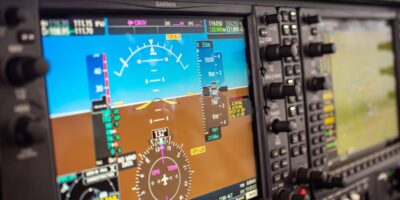
Rosemount specializes in air data sensors, temperature sensors, and pressure sensors. Their air data systems are used in commercial airliners, military jets, and business aircraft to provide the flight information pilots depend on. We’re talking airspeed, altitude, angle of attack — the basics that aren’t really basic at all.
Their temperature sensors monitor engine performance. Accurate temp readings matter more than most people realize — run an engine outside its parameters and things go south fast. And their pressure sensors? Those show up in cabin pressurization systems and environmental controls.
Reliability and precision — those two words pretty much define what Rosemount does. If you want sensors that drift or give you questionable readings, look elsewhere. Actually, don’t. That’s dangerous.
Milestones Worth Knowing About
Rosemount was one of the first companies to develop digital air data systems, which was a big leap from the analog systems that came before. If you’ve worked with older avionics, you know how much of a difference that transition made.
They also played a major role in developing the modern pitot-static system — you know, the thing that measures your speed and altitude. Kind of important. And then there’s their smart probes, which combine multiple sensor functions into a single unit. Less weight, less complexity, fewer things to go wrong.
Working With the Big Names
Boeing, Airbus, Lockheed Martin — Rosemount has partnered with all of them. Those aren’t casual relationships either. When your sensors go into a 787 or an F-35, you’ve earned a level of trust that’s hard to overstate.
The NASA collaboration is particularly interesting. Rosemount’s sensors have been part of numerous NASA missions, performing reliably in environments that would destroy lesser equipment. Space is not forgiving, and neither is the testing that goes into qualifying for those missions.
Quality Standards and Certifications
Quality isn’t just a marketing buzzword at Rosemount — it’s the foundation of everything they do. They hold certifications from both the FAA and EASA, which means their products meet the highest regulatory standards on both sides of the Atlantic. Regular audits and rigorous testing back that up.
They also maintain a strong support system for customers, which matters more than you might think. When a sensor needs servicing or a technician has questions, having responsive support can mean the difference between a quick fix and a grounded aircraft.
Always Pushing Forward on R&D
Rosemount puts serious resources into research and development. Their focus areas include materials science, miniaturization, and better data processing — all of which feed directly into making sensors that are smaller, lighter, and more accurate than the last generation.
I appreciate that they don’t seem to innovate just for the sake of it. Every advancement ties back to a real operational need. That kind of disciplined approach to R&D is what keeps them ahead of competitors who might have flashier marketing but less substance.
Environmental Responsibility
Rosemount has made a genuine effort on sustainability. They’ve implemented initiatives to reduce waste, improve energy efficiency in their manufacturing, and recycle materials where possible. Their product designs reflect this too — energy-efficient sensors and materials built to last longer mean less replacement and less waste over time.
It’s not just greenwashing, either, or at least it doesn’t read that way to me. When your sensors help engines run more efficiently, that has a real downstream effect on fuel burn and emissions across the entire fleet of aircraft using them.
Impact on Flight Safety
This is the part that matters most. The accuracy and reliability of Rosemount’s sensors directly contribute to safer flights. Early detection of anomalies through their advanced sensors can prevent situations from escalating. Pilots count on their air data systems for the information they need to fly safely. Accurate engine temperature readings prevent failures. Pressure sensors keep cabin conditions comfortable and safe at altitude.
It’s easy to overlook sensors because they’re not the exciting part of an aircraft. But without them, nothing else works the way it should.
Training and Support
Rosemount offers training programs for technicians and engineers that cover installation, maintenance, and troubleshooting. Their support team is available around the clock, and they’ve got detailed manuals and online resources for people who prefer to figure things out themselves. I’ve found their documentation to be genuinely useful, not just boilerplate filler.
What’s Next for Rosemount
The demand for advanced sensors and avionics is only growing. More aircraft in the sky, more systems going digital, more data being collected and analyzed in real time. Rosemount is well positioned for all of that. Their continued investment in R&D, strong industry partnerships, and focus on sustainability should keep them relevant for a long time to come. They’ve been quietly essential for decades, and I don’t see that changing.



Stay in the loop
Get the latest aviate ai updates delivered to your inbox.