But here’s the thing — there’s one company whose products are on practically every commercial aircraft you’ve ever flown on, and most passengers have never heard of them. I’m talking about Rosemount Aerospace.
I first came across the Rosemount name while flipping through a maintenance manual for a 737. Their sensors were everywhere in that book. Temperature probes, air data sensors, pressure transducers — all Rosemount. So I started digging, and what I found was a company with a surprisingly deep history in making the instruments that keep aircraft safe.
Where Rosemount Came From
Rosemount Aerospace got its start in the mid-20th century, initially focused on developing advanced instruments for aircraft. Over the decades they expanded significantly, and today they serve commercial aviation, military aviation, and business jets. They’re now part of the Collins Aerospace division under RTX (formerly Raytheon Technologies), but the Rosemount brand still carries weight in the industry. Engineers I’ve talked to refer to their sensors by the Rosemount name even though the corporate structure has changed multiple times.
What They Actually Make
Rosemount’s core product lines include:
Air data sensors and systems: These measure airspeed, altitude, angle of attack, and other flight parameters. They’re used across commercial, military, and business aircraft. The air data system is what feeds the primary flight display with the numbers pilots rely on — speed, altitude, vertical speed.
Temperature sensors: These monitor engine temperatures, outside air temperature, and various system temperatures. Accurate temp readings are essential for engine performance monitoring. Run an engine too hot and you shorten its life dramatically. Or worse.
Pressure sensors: Used in cabin pressurization systems, environmental controls, and engine monitoring. Rosemount pressure sensors are known for reliability and precision, which is exactly what you want in something that determines whether the cabin stays pressurized at 35,000 feet.
Some Notable Milestones
Rosemount was one of the first companies to develop digital air data systems, moving the industry away from older analog instruments. That was a big deal at the time. They also played a significant role in developing the modern pitot-static system — you know, the little tubes sticking out of the nose of every aircraft that measure airspeed and altitude. Those seem simple, but getting them to work accurately across a range of speeds and atmospheric conditions is genuinely hard engineering.
One innovation I find particularly clever is their smart probes. These combine multiple sensor functions into a single unit, which reduces weight and complexity on the aircraft. In aviation, every ounce matters, so combining three sensors into one probe is the kind of practical engineering that actually moves the needle.
Who Uses Their Products
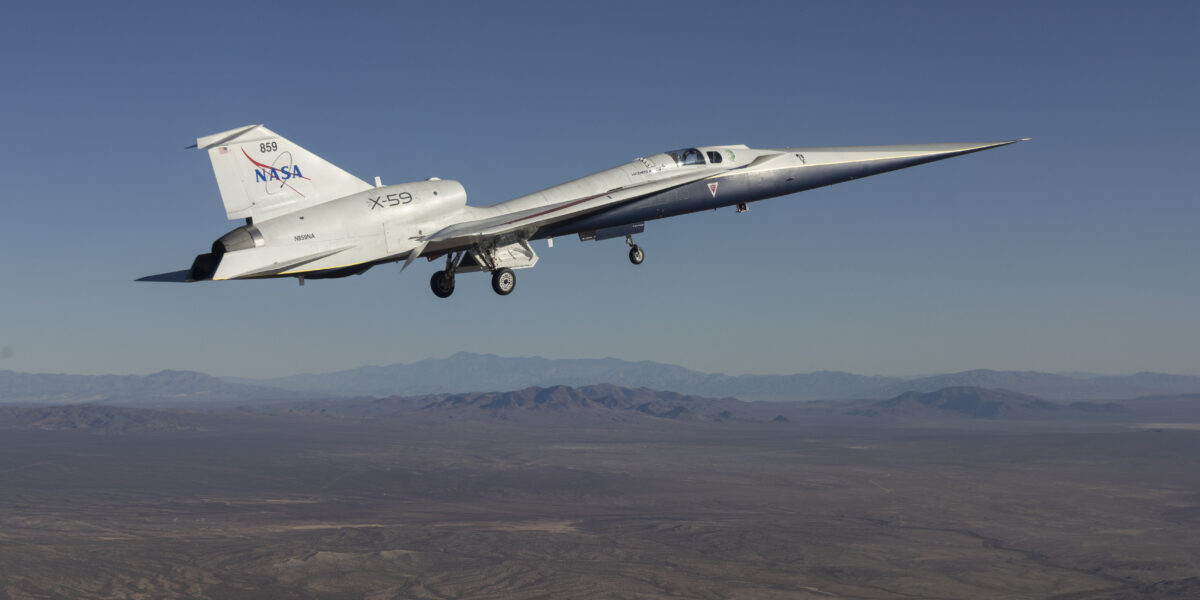
Pretty much everyone. Boeing, Airbus, Lockheed Martin — all major airframers use Rosemount sensors in various aircraft. NASA has also relied on Rosemount technology for missions, using their sensors in environments that are, let’s say, a bit more demanding than a transatlantic flight. Extreme temperatures, radiation, vibration — Rosemount’s sensors have to work in all of it.
These partnerships go both ways. Working with companies like Boeing pushes Rosemount to meet exacting specifications, and the feedback loop helps them improve their products over time.
Quality and Certification
In aviation, you can’t just slap a sensor on an airplane and call it good. Everything needs FAA certification, EASA certification, and compliance with a stack of regulatory standards. Rosemount maintains all of these certifications and undergoes regular audits. Their testing procedures are rigorous — sensors get subjected to extreme temperatures, vibration, electromagnetic interference, and basically every hostile condition you can imagine before they’re approved for flight.
I’ve seen some of their testing documentation and it’s — well, thorough is an understatement. Every sensor has a traceable history from raw materials to final installation.
Research and Development
Rosemount puts significant resources into R&D, which is how they’ve stayed competitive for decades. Current research areas include materials science (finding materials that hold up better in extreme conditions), miniaturization (smaller sensors with the same or better accuracy), and enhanced data processing (getting more useful information out of sensor readings). The push toward lighter, more capable sensors aligns with the broader industry trend of making aircraft more efficient.
Environmental Initiatives
This might surprise you — or maybe not, given where the whole industry is heading. Rosemount has implemented waste reduction programs, improved energy efficiency in their manufacturing processes, and designs products with longevity in mind. Sensors that last longer mean fewer replacements, less waste, and lower lifecycle costs. It’s both good business and good environmental practice.
The Safety Impact
At the end of the day, Rosemount’s products are about safety. Accurate airspeed readings prevent stalls and overspeed events. Reliable temperature monitoring keeps engines operating within safe limits. Proper pressure sensing maintains cabin environment at altitude. When these sensors work correctly — which is essentially always, given the redundancy built into aircraft systems — passengers never think about them. And that’s exactly how it should be.
When I look at the accident reports where sensor failures contributed to incidents (the pitot tube icing events come to mind), it really drives home how much depends on these relatively small components working correctly. It’s not glamorous work, but it matters enormously.
What Comes Next
Demand for aerospace sensors is only going up. More aircraft being built, more stringent safety requirements, new platforms like urban air mobility vehicles all need sensors. Rosemount is positioned well for that growth, with ongoing R&D and strong relationships across the industry. They’ve been doing this for decades and show no signs of slowing down. Not a bad track record for a company most passengers have never heard of.
Emily Carter
Author & Expert
Emily reports on commercial aviation, airline technology, and passenger experience innovations. She tracks developments in cabin systems, inflight connectivity, and sustainable aviation initiatives across major carriers worldwide.




Stay in the loop
Get the latest aviate ai updates delivered to your inbox.