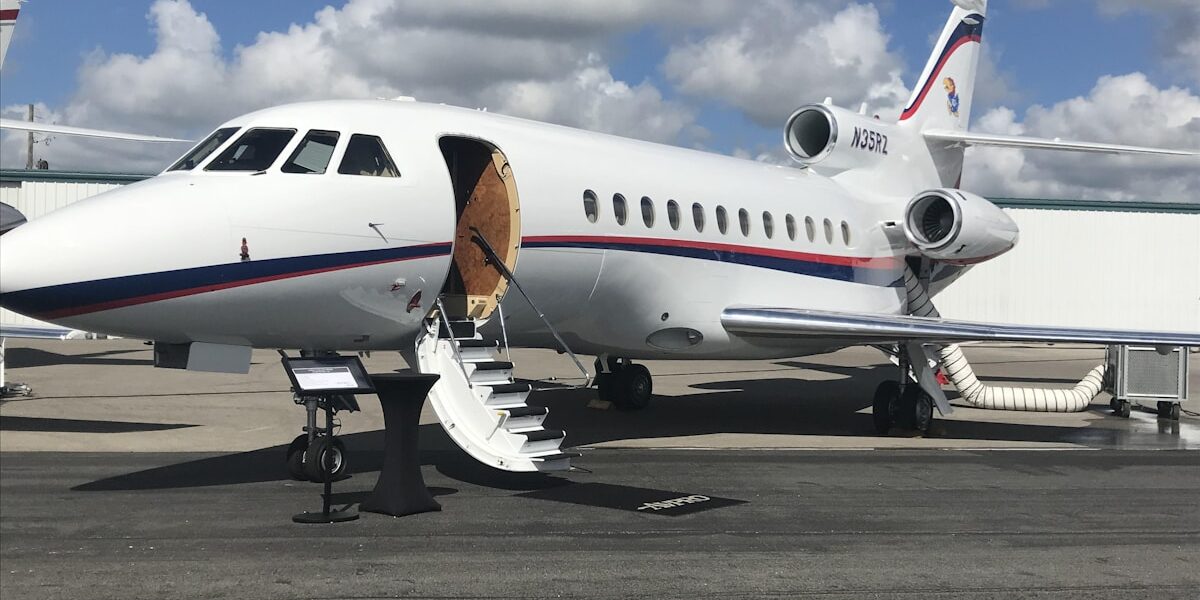
Last summer I was on a flight from Dallas to Seattle, and we hit this stretch of turbulence that had everyone gripping their armrests. The captain came on and said the system had already adjusted our altitude to find smoother air. That got me thinking about how much AI is quietly doing behind the scenes in aviation these days. So I started digging into it, and honestly, what I found was more impressive than I expected.
AI as a Pilot’s Right Hand
Think of AI in the cockpit as the world’s most alert co-pilot. It never gets tired, never gets distracted, and it processes weather data, fuel calculations, and route options faster than any human could. Airlines like United and Delta have been testing AI-assisted flight planning systems that can suggest the most efficient route in real time, accounting for wind patterns, air traffic, and fuel burn. My friend who works in airline operations told me their AI system once saved fifteen minutes on a transcontinental route just by recommending a slightly different altitude. Multiply that by thousands of flights a day and you’re talking about real money and real reductions in emissions.
Fixing Problems Before They Happen
This is the one that impressed me most. Predictive maintenance uses AI to monitor aircraft systems and flag components that are likely to fail before they actually do. Southwest Airlines has been using this kind of technology, and I’ve read that it’s helped them reduce unscheduled maintenance events noticeably. I think about my own experience with that three-hour tarmac delay a few years back. Turned out it was a sensor issue that could have been caught earlier with better monitoring. That’s exactly the kind of problem predictive AI is designed to prevent. It watches thousands of data points from sensors all over the aircraft and spots patterns that human technicians might miss, or at least might not catch in time.
Smoother Airports, Shorter Lines
Nobody likes standing in a boarding line that isn’t moving. Airports like London’s Heathrow have started using AI to manage passenger flow, optimize boarding sequences, and reduce bottlenecks at security and gates. I noticed on a recent trip through a major hub that the boarding process felt noticeably faster than it used to. Whether that was AI or just good luck, I can’t say for certain, but the data suggests these systems really do help. Some airports are also using AI-driven scheduling to reduce gate conflicts and taxi delays, which cuts down on that annoying sit-on-the-tarmac-and-wait phase.
It’s not trying to replace pilots or turn flying into some fully automated thing. It’s handling the tedious background work, the route math, the parts monitoring, the crowd management, so the humans can focus on what they do best. And as someone who flies a fair amount, I’m all for anything that gets me there on time with my luggage intact.



Stay in the loop
Get the latest aviate ai updates delivered to your inbox.