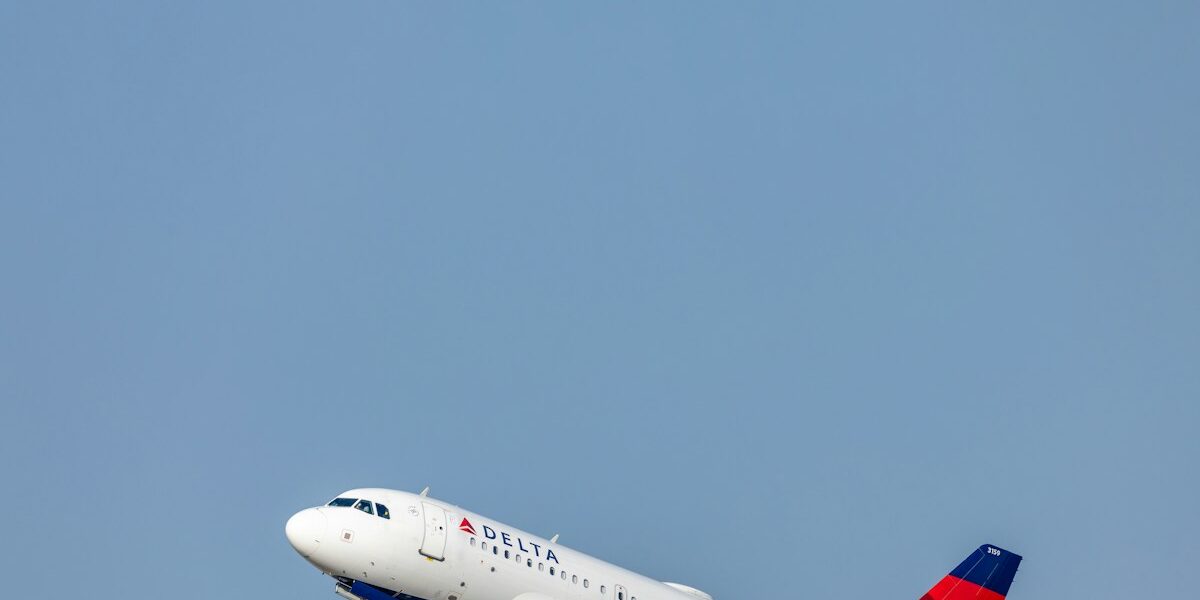
Everyone and their uncle seems to have an opinion about what artificial intelligence can or can’t do for airlines, and honestly, half of what I read online makes my head spin. So I figured I’d cut through the noise and talk about three ways AI is actually making a difference up in the sky — stuff I’ve picked up from friends in airline ops and from poking around industry conferences.
Smart Scheduling That Actually Works
A buddy of mine works in airline operations out of a major hub. He told me about the time a surprise snowstorm hit Denver and basically torpedoed every connection coming through. In the old days, dispatchers would be white-knuckling phones for hours, trying to juggle crew reassignments, aircraft swaps, and gate shuffles by hand. Now their AI scheduling system pulls in weather forecasts, crew duty limits, aircraft positions, and maintenance windows, then spits out a workable recovery plan in minutes. Not always perfect — he said it sometimes suggests swaps that make zero geographic sense — but it handles maybe 80 percent of the puzzle before a human even steps in. The result? Fewer cascading delays and fewer passengers sleeping on terminal floors.
Predictive Maintenance, a.k.a. the Crystal Ball
Modern aircraft have thousands of sensors streaming data nonstop — engine temperatures, hydraulic pressures, vibration signatures, the works. Machine learning models analyze all that telemetry and flag components trending toward failure well before they actually break. A maintenance engineer I met at an Aero Expo compared it to a check-engine light on your car, except smarter and much earlier. Instead of grounding a plane for an unplanned repair that wrecks the schedule, airlines slot the fix into a planned overnight layover. Less downtime, lower repair bills, and passengers don’t end up staring at a departures board watching their flight flip to “CANCELLED.”
Smoother Routes Through Rough Skies
This one’s personal for me. I used to be a certified armrest gripper whenever turbulence kicked in. Then a pilot friend walked me through how newer route-optimization tools work. They ingest real-time atmospheric data, satellite imagery, and pilot reports from aircraft ahead on similar paths, then map out the smoothest line between departure and destination. It’s not magic — you’ll still catch a bump here and there. But the frequency of those stomach-drop moments has gone down on routes where airlines run these systems. The AI basically acts like a tireless co-pilot scanning weather patterns ahead and gently tweaking the flight plan when it spots trouble brewing.
Look, AI isn’t going to fix every annoying thing about flying. Your bag might still take a detour to the wrong city. But scheduling, maintenance, and route planning are three areas where the technology is genuinely improving how flights operate day to day. Next time your flight touches down on schedule during ugly weather, there’s a fair chance an algorithm had something to do with it.


Stay in the loop
Get the latest aviate ai updates delivered to your inbox.