
As someone who’s followed experimental aircraft programs for years, I learned everything there is to know about the “Dark Star” plane phenomenon—and the line between fact, speculation, and fiction gets blurry fast.
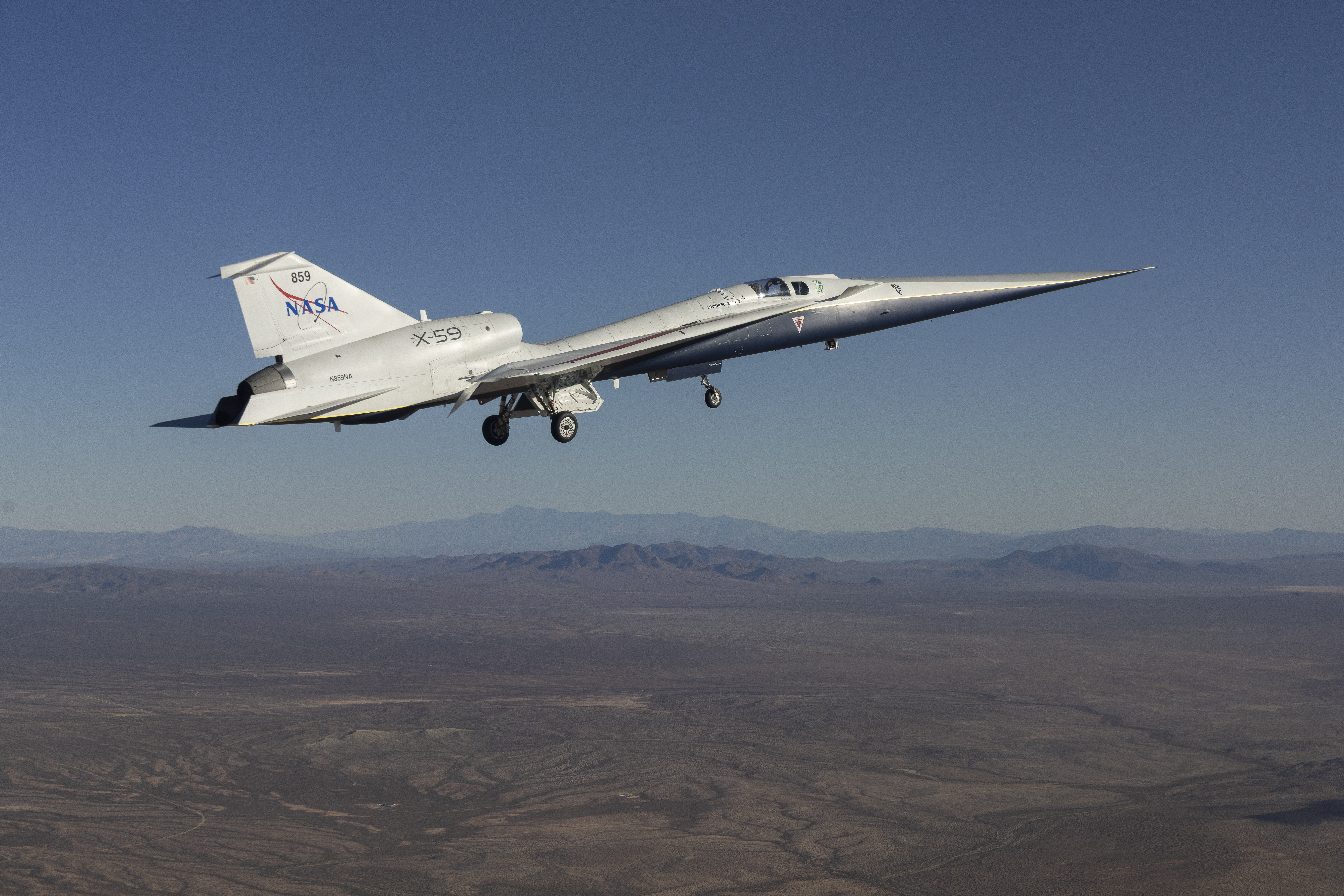
Where Stealth Technology Started
Stealth technology begins with the principles of electromagnetic wave scattering. Engineers developed materials and shapes that minimize radar detection. The Lockheed F-117 Nighthawk exemplifies early successes—its angular design and radar-absorbing materials set a precedent for everything that followed. Introduced in the late 20th century, the Nighthawk operated under a veil of secrecy that set expectations for later aircraft.
How Concepts Got More Advanced
The jump from initial stealth designs to more sophisticated aircraft involved numerous experimental projects. The B-2 Spirit bomber stands out for its flying wing design, which enhances stealth through minimized radar cross-section. Despite its distinctive shape, the B-2 remains shrouded in operational confidentiality. Its advancements paved the way for speculated successors—aircraft initially deemed purely conceptual, like the so-called Dark Star.
Here’s what typically feeds these programs:
- Black budget projects funded by governments often remain publicly unacknowledged. These give birth to experimental technologies.
- Advances in electronics and materials push stealth capabilities further, enabling aircraft with reduced radar, infrared, and acoustic signatures.
- Improved aerodynamics and propulsion systems contribute to potential hypersonic capabilities—allegedly what makes the Dark Star distinctive.
Reports and declassified documents occasionally hint at tests occurring at secretive locations like Area 51. Eyewitness accounts describe unusual craft with capabilities exceeding known aircraft, fueling rumors that extend well beyond theoretical diagrams.
The Hypersonic Question
A defining feature of the presumed Dark Star plane is hypersonic speed—traveling at Mach 5 or higher. This demands advanced materials that withstand extreme temperatures. Combining stealth and hypersonic technology would represent a drastic shift in strategic aerial capabilities.
Potential design considerations include unique propulsion technologies like scramjets. These engines operate efficiently at hypersonic velocities by compressing incoming air, achieving and maintaining high speeds without relying entirely on fuel-based combustion. Implementing such systems would be a monumental leap from existing technologies.
What Would You Use It For
Alongside stealth and speed, the function remains a subject of curiosity. Strategic reconnaissance is one viable application—the capability to rapidly gather data and escape undetected would be invaluable for military intelligence. There’s also potential for deploying payloads at extreme speeds, revolutionizing delivery of logistics or munitions.
- Stealth bombing capabilities could allow covert operations deep within adversarial territories, avoiding conventional defenses.
- Direct strategic surveillance without alerting unfriendly forces enhances global surveillance networks without escalating tensions.
Why the Secrecy Works Both Ways
Many surrounding narratives thrive because of consistent government secrecy. Withholding information on cutting-edge technology ensures security but simultaneously breeds public curiosity. Information occasionally trickles through unofficial channels—often too cryptic or speculative for conclusive acknowledgment.
Massive hangars and testing facilities in remote locations serve dual purposes. They protect advanced technology while perpetuating mysteries that fuel public intrigue. Controlled leaks and well-placed misinformation blur the lines between reality and fiction, maintaining the veil of secrecy.
How This Entered Popular Culture
Tales of experimental craft and secretive military complexes have flooded media, and the Dark Star concept has transcended into popular culture. Films, documentaries, and speculative fiction adopt these motifs, captivating audiences with dramatized perspectives. Interest in aviation history and technological advancement intertwine, enriching the conversation.
What We Actually Know
It sits at the crossroads of science, military ambition, and storytelling.
Concrete evidence remains elusive, but the prevalence of these stories continues stirring imaginations and challenging the boundaries of what flight might achieve.
Recommended Aviation Gear
David Clark H10-13.4 Aviation Headset – $376.95
The industry standard for aviation headsets.
Pilots Handbook of Aeronautical Knowledge – $25.42
Essential FAA handbook for every pilot.
As an Amazon Associate, we earn from qualifying purchases.




Stay in the loop
Get the latest aviate ai updates delivered to your inbox.