
Collins Aerospace in Lenexa, Kansas — An Insider’s Look at the Facility
I drove past the Collins Aerospace facility in Lenexa, Kansas for the first time about three years ago. From the outside, it looks like any other corporate campus off the highway — glass, concrete, a big parking lot. But what happens inside that building is genuinely interesting if you’re into aviation tech. And since you’re reading this, I’m guessing you are.
What Collins Aerospace Actually Does
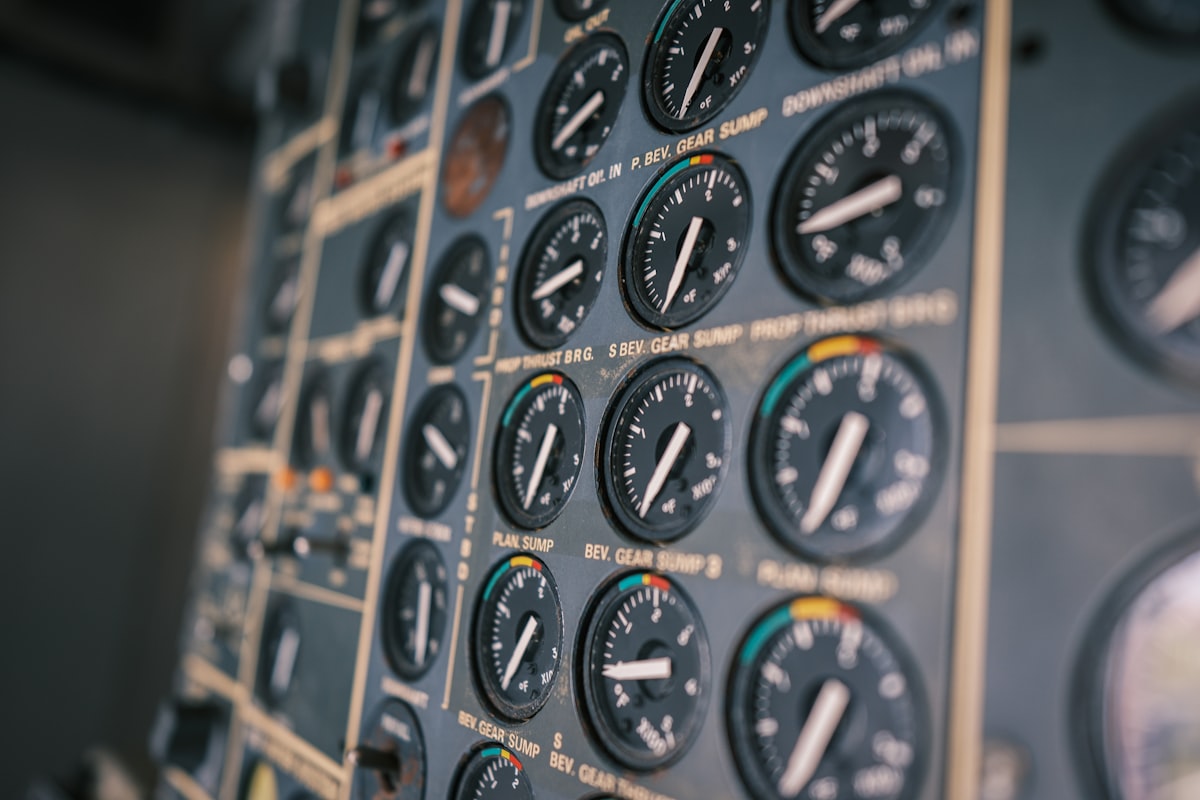
Collins Aerospace is part of Raytheon Technologies, and they make a wide range of aerospace and defense products — avionics, aircraft interiors, mechanical systems, you name it. They serve both commercial airlines and military customers. The Lenexa facility specifically focuses on avionics and communication systems, which is where a lot of the interesting engineering happens.
The Lenexa Operation
This facility handles development, manufacturing, and testing of avionics components. Every piece that comes out of there has to meet strict industry standards — we’re talking about equipment that goes into aircraft, so there’s zero margin for error. Precision and quality aren’t buzzwords here. They’re the actual job.
There’s ongoing R&D happening at the facility, which keeps them current with what the industry needs rather than playing catch-up.
The People Who Work There
I’ve talked to a few engineers who work at the Lenexa campus, and the common thread is that they’re genuinely passionate about what they do. The facility employs engineers, technicians, and support staff who collaborate across disciplines. Collins runs training and development programs to keep everyone current on new technologies and methods, which makes sense when your field evolves as quickly as avionics does.
Kansas isn’t the first place people think of for cutting-edge aerospace, but it should be.
Environmental Practices
The Lenexa facility has implemented energy-efficient processes and waste reduction strategies. It’s not just PR — these practices align with broader industry sustainability goals, and honestly, reducing waste and energy consumption also saves money. Smart business and environmental responsibility don’t have to be at odds with each other.
Community Involvement
Collins is pretty active in the Lenexa community. They support local education programs and do community outreach. Employees are encouraged to volunteer. I’ve seen their name attached to STEM initiatives in the area, which matters because getting kids interested in engineering and aerospace early is how you build the next generation of talent. Self-serving? Maybe a little. But the community benefits too, so it works out.
Industry Partnerships
They maintain partnerships with other aerospace companies and academic institutions. Joint ventures and research collaborations are common — it’s how innovation happens in an industry where the problems are too big for any single company to solve alone. These partnerships keep their product development moving forward and help them tap into expertise they might not have in-house.
What They Build in Lenexa
- Flight Management Systems: Systems for optimizing flight paths and improving fuel efficiency. The math behind these is fascinating if you’re into that sort of thing.
- Avionics: Cockpit systems that improve pilot situational awareness and safety. This is the bread and butter of the Lenexa operation.
- Radios and Communication Systems: Air-to-ground and air-to-air communications. Reliable comms are literally life-or-death in aviation.
- Navigation Solutions: High-precision components for accurate aircraft navigation, including GPS-based systems and multi-mode receivers.
Quality Standards
Every product goes through serious testing and quality assurance before it leaves the building. They adhere to AS9100, which is the aerospace quality management standard. Continuous improvement isn’t just a poster on the wall — it’s embedded in how they manufacture. When you’re making equipment that pilots depend on, “good enough” doesn’t exist as a concept.
Supply Chain Management
The Lenexa facility works closely with their suppliers to ensure timely delivery of quality components. They also put real effort into supply chain risk management — identifying potential disruptions before they become actual problems. COVID taught the whole aerospace industry some hard lessons about supply chain fragility, and I think facilities like Lenexa took those lessons seriously.
R&D at Lenexa
The R&D department is active. Engineers experiment with new materials and technologies, and the facility regularly files patents. That’s a good sign — it means they’re not just maintaining existing product lines, they’re actually creating new things. In a competitive industry, standing still is the same as falling behind.
Customer Support
They offer support from product installation through ongoing maintenance. There’s a dedicated team at Lenexa that handles technical questions and troubleshooting. In my experience, having local support — rather than being routed through some overseas call center — makes a real difference when you need answers fast.
Global Reach
Products built in Lenexa end up in aircraft around the world. Airlines and defense agencies on multiple continents rely on what comes out of this Kansas facility. There’s something satisfying about that — a building in suburban Kansas contributing to global aviation safety and efficiency.
Looking Ahead
Collins Aerospace in Lenexa is investing in advanced analytics, AI, and autonomous systems. These are the areas where aerospace is headed, and it’s smart to get in early. The facility seems well-positioned for growth, with both the technology and the talent to tackle whatever comes next. Whether that’s next-gen avionics, autonomous flight systems, or something nobody’s thought of yet, I’d bet Lenexa will be part of it.



Stay in the loop
Get the latest aviate ai updates delivered to your inbox.