But here’s what hasn’t changed: before anything flies — plane, helicopter, spacecraft, drone — it gets tested within an inch of its life. Literally. I spent a day at an aerospace testing facility a few years back, and watching them stress-test a wing spar until it snapped was both terrifying and weirdly satisfying. That’s the whole point of these labs — find the breaking point before it matters.
What Kinds of Tests Happen in These Labs
There are three broad categories of testing that aerospace labs focus on: structural tests, environmental tests, and propulsion system tests. Structural tests check whether the physical components can handle the forces they’ll face. Environmental tests recreate the conditions — temperature extremes, humidity, radiation — that aircraft and spacecraft encounter. And propulsion system tests evaluate whether engines and related systems actually perform reliably. Each category has its own specialized equipment and protocols. It’s a lot more involved than most people realize.
Structural Testing (a.k.a. Breaking Stuff on Purpose)
This is the one that fascinated me the most. Fatigue testing takes a material and subjects it to repeated cycles of loading and unloading, mimicking what happens during actual flight. You’re basically asking the material, “How many times can you bend before you crack?” Fatigue failures in aerospace are potentially catastrophic, so knowing a material’s limits isn’t optional — it’s the baseline for everything else.
Then there’s static testing, which is different. Instead of repeated stress, you apply a constant, heavy load and see if the structure holds without bending permanently or breaking. Engineers apply forces that match or exceed the maximum loads a component would ever experience in operation. If it deforms or fails, back to the drawing board. No exceptions.
Environmental Testing: Simulating the Worst
Thermal testing is the big one here. Components get blasted with extreme heat and cold to make sure they function across all conditions. And it’s not just one temperature — they cycle through heating and cooling to test long-term durability. A part that works fine at room temperature might crack after fifty thermal cycles. That’s what these tests catch.
Vibration testing replicates the shaking and oscillation that parts experience during flight. This is especially important for avionics and electrical connections, which can loosen or fail under sustained vibration. Shock testing adds sudden impacts to the mix — think hard landings or turbulence events.
Altitude testing is where things get interesting. This matters for aircraft operating at high elevations and obviously for anything going to space. You’d be surprised how many materials behave differently when you pull the air pressure down.
Propulsion System Testing
Engine testing covers both static and dynamic assessments. Static tests run the engine under controlled conditions — basically strapping it down and letting it rip — while measuring thrust, fuel efficiency, and reliability. Dynamic tests simulate more realistic scenarios with varying throttle levels and changing environmental conditions.
Propellant testing is its own discipline. Fuel needs to burn predictably and safely under every conceivable operating condition. Unstable propellants aren’t just a problem — they’re a potential disaster. The people who do this work are careful to a degree that borders on obsessive, and honestly, I’m glad they are.
The Facilities Themselves
Modern testing labs have some seriously impressive equipment. Wind tunnels simulate aerodynamic conditions at different flight speeds, letting engineers study how airflow affects performance and stability. I stood next to an operational wind tunnel once and the noise was unbelievable. Anechoic chambers test electromagnetic properties by creating a simulated free-space environment — basically a room that absorbs all reflections.
Data collection has improved dramatically in recent years. Real-time sensors and advanced computing systems mean engineers can monitor component performance as it happens, running analyses that would have taken weeks just a decade or two ago.
Regulatory Standards
None of this happens in a vacuum. Well — some of it literally does, in altitude chambers. But I mean figuratively. The FAA and EASA set rigorous standards for aircraft manufacturing and operation, and testing labs are where compliance gets proven. Every test generates documentation. Every result gets reviewed. The paper trail alone for a single component can be inches thick. It’s tedious, and it’s absolutely necessary.
Human Factors Testing
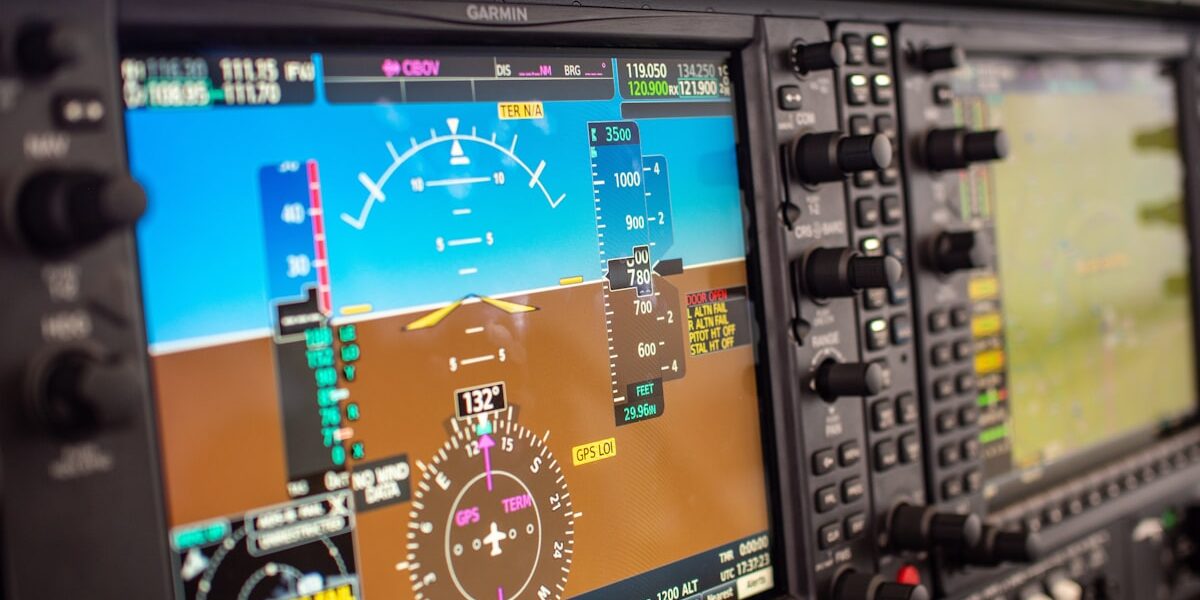
This is an area that doesn’t get enough attention. Human factors testing evaluates how pilots and crew interact with cockpit systems, control interfaces, and the overall ergonomic design of the aircraft. The goal is making sure that when a pilot reaches for a switch under stress, it’s exactly where their hand expects it to be. Good design saves lives. Bad design — or design that ignores how humans actually behave under pressure — costs them.
What’s Coming Next
As aerospace evolves, testing has to keep up. Autonomous and unmanned systems require entirely new testing protocols because there’s no human pilot to compensate for system quirks. Electric propulsion is growing fast, and it brings different failure modes than traditional jet engines. Advanced composite materials behave differently from metals and need their own testing approaches.
Simulation technology is also reducing the need for some physical tests, which saves time and money while enabling rapid prototyping. But physical testing isn’t going anywhere — you still need to confirm that the simulation matches reality. I don’t think we’ll ever fully replace the “strap it down and see what happens” approach. And I hope we don’t.
Both private companies and government agencies are investing heavily in next-generation testing capabilities. The goal stays the same as it’s always been: make sure everything works before it has to work for real. That’s a goal I can get behind.
Emily Carter
Author & Expert
Emily reports on commercial aviation, airline technology, and passenger experience innovations. She tracks developments in cabin systems, inflight connectivity, and sustainable aviation initiatives across major carriers worldwide.




Stay in the loop
Get the latest aviate ai updates delivered to your inbox.