“`html
Why Pitot Tube Blockage Causes Airspeed Failures
Pitot tube blockage has gotten complicated with all the misunderstanding flying around. I’ve watched pilots completely miss the warning signs until they’re already climbing through 3,000 feet—which is exactly when you don’t want to discover your airspeed indicator is feeding you garbage. The pitot tube seems simple enough, just a small aluminum probe measuring ram air pressure created by forward motion. Yet somehow it causes some of the most disorienting in-flight emergencies I’ve dealt with. Once you understand why blockage kills your airspeed readings, you can actually prevent the panic that comes with a wildly erratic needle at altitude.
Here’s the thing though: the tube itself isn’t really the problem. It’s that pilots often have no idea what they’re looking at when blockage happens, and they definitely don’t know what to do about it before takeoff the next morning.
How Pitot Tube Blockage Happens in Flight
Pitot tube blockage doesn’t announce itself. It just happens, quietly, in ways you’ve probably never considered until it’s too late.
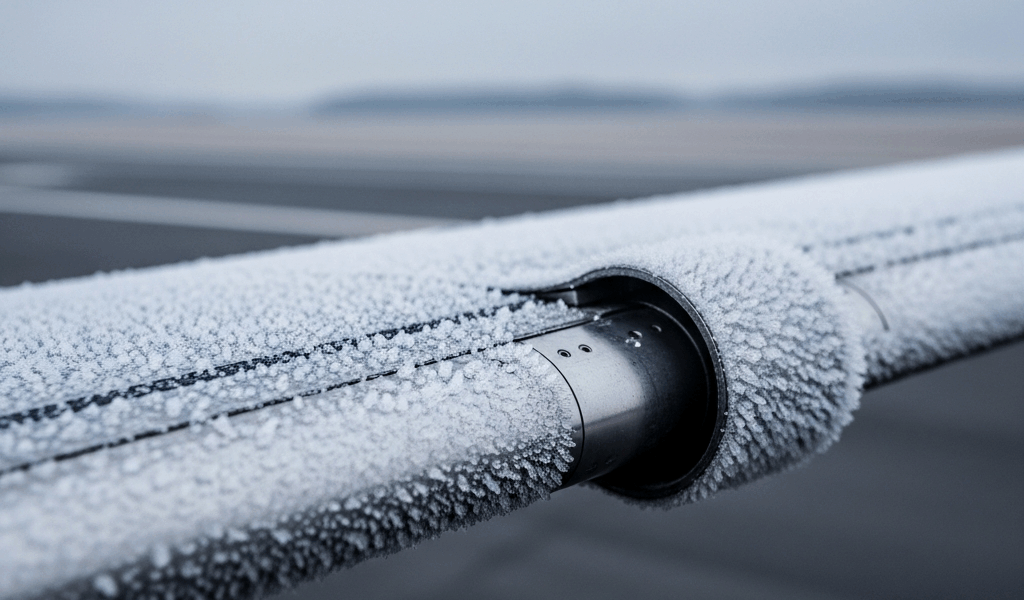
Moisture freezing at altitude — this is the scenario that actually wakes you up at night. As someone who’s logged time in both pressurized and unpressurized aircraft, I learned everything there is to know about this particular disaster after flying through a humid layer at 11,500 feet one February morning. When you climb through the freezing level on a humid day, moisture in the surrounding air condenses inside that pitot tube opening. At 12,000 feet where temperatures sit below zero, condensation becomes ice. Usually starts partial — your needle flutters and bounces around like it’s got a mind of its own. But as you continue climbing into colder air, ice accumulates steadily. Level off at cruise and you’ve got a solid ice plug inside the probe.
The real danger: many aircraft have heated pitot tubes, but plenty don’t. And if your heater switch happens to be OFF, heated or not, you’re building ice regardless. That makes the difference between a working system and a failed one.
Insects and debris during ground ops — warm day at a remote airstrip, engine off, long break ahead. Wasps, spider webs, dirt, mud dauber nests. These don’t just rest on your pitot tube opening. They actually seal it shut from the inside. Watched a Cessna 172 get towed back to the hangar because a mud dauber had constructed an entire nest inside the opening. Pilot didn’t discover it until he was at 2,000 feet and his airspeed indicator was lying — showing 150 knots while climb performance told him he was doing maybe half that.
Water ingestion during heavy rain creates a completely different mess. Taking off in heavy rain or sitting parked during a downpour means water doesn’t just wet the outside. It actually enters the probe opening if the tube’s orientation catches falling rain. Once inside, that water may never completely drain, especially if drain holes are partially clogged already. Next flight, as you accelerate and ram air pressure increases, trapped water creates a restrictive blockage. You’ll see false high airspeed readings initially — then suddenly the needle drops as water sloshes or dislodges partially.
Dirt and salt accumulation follows seasonal patterns. Winter operations with salt spray on the ramp mean salt crystals and road grit accumulate inside the pitot tube across multiple flights. Summer operations in dusty climates create a grinding paste inside the probe that won’t flush out with normal flight speeds alone.
Probably should have opened with this section, honestly — because this is where actual prevention starts, not in the cockpit at altitude.
The Airspeed Indicator Tells the Story
When pitot tube blockage occurs in flight, your airspeed indicator becomes completely unreliable. But the way it lies tells a specific story.
Erratic needle movement and hunting happens when blockage is partial and intermittent. Your needle wavers back and forth — 10 knots up, then 10 knots down, then freezes for a few seconds. This is ice forming and breaking loose, or water moving inside the probe. Most common during initial climb when ram air pressure is rising and blockage is still forming.
Airspeed stuck at a single reading means blockage is complete. Your needle doesn’t move as you accelerate through takeoff. It stays locked at whatever number it showed when blockage became total. For pilots who’ve trained for standard takeoffs, this is unmistakable — you’re accelerating, you feel it, but the airspeed indicator is completely frozen. Experienced this myself in a Piper Arrow where a wasp nest had sealed the pitot opening completely. Needle stayed at 45 knots no matter what.
Sudden airspeed drop differs from being stuck. Happens when trapped water or ice suddenly dislodges and creates momentary blockage before falling back. You’ll see the needle drop 20 or 30 knots in one or two seconds, sometimes recovering partially. Deeply alarming because it feels like you’ve suddenly lost performance — your instinct is to pitch down to recover airspeed. Exactly wrong at 500 feet AGL.
Complete freezing with backup indicator failure is rare but happens. If blockage is severe enough and static system is also compromised, even your backup airspeed indicator becomes inaccurate. That’s when you’re relying on feel, performance, and ground speed to understand what’s actually happening.
Step-by-Step Diagnosis in the Cockpit
When you suspect pitot blockage in flight, guessing won’t help.
Cross-check with ground speed. GPS unit or even transponder ground speed readout lets you verify what’s real. Flying a known heading at known altitude and GPS shows you’re moving 85 knots across ground into a known headwind — but airspeed indicator reads 140 knots? Something’s definitely wrong with the airspeed system, not your flying. First confirmation pitot is the problem.
Check your alternate airspeed indicator if equipped. Some twin-engine aircraft have independent pitot tubes and separate indicators. One reads normally while the other doesn’t? You’ve just confirmed blockage in one specific tube, not the static system or gauge itself. Single-engine aircraft typically lack this redundancy. Makes prevention so much more important.
Verify altitude hold and compare climb rates. Airspeed showing 100 knots but you’re holding altitude with 500-fpm climb showing on the vertical speed? Airspeed indicator is clearly lying. Altimeter and VSI measure static pressure — pitot blockage doesn’t affect them. Trust those instruments first.
Assess actual climb performance against weight and conditions. You know how your aircraft climbs. At max gross on a warm day, you should see 500 fpm. Getting only 300 fpm? That’s real. Airspeed indicator showing 140 knots means nothing if actual performance tells a different story.
For mid-flight suspicion: Reduce power slightly — 200 RPM reduction should produce noticeable airspeed decrease on a working system. If indicator doesn’t move, it’s blocked. Maintain altitude and heading, declare the blockage to ATC for IFR operations. VFR? Continue to destination using ground speed, altitude, and visual references. You know there’s a maintenance problem waiting on the ground.
If blockage suspected on the ground: Don’t fly. Do the inspection below before next flight.
Prevention and Pre-Flight Checks
Ground inspection stops pitot blockage before it becomes an emergency.
Visual inspection of the pitot probe. Walk out 10 minutes before engine start. Look directly into the pitot opening. Should see the tube interior — clear, nothing blocking it. Takes 20 seconds with a flashlight in low light. See a wasp nest, dirt, debris, discoloration? Stop right there. Don’t start the engine. Pitot tube replacement or professional cleaning happens before flight.
Check that drain holes are open. Most pitot tubes have drain holes near the base. Get down to fuselage level and look at the drain opening. Water should drip freely. Crust of salt, dirt, or dried water around the drain? Use a straightened paperclip — I use this method regularly — to gently open the drain. Don’t force it. Won’t open easily? Mechanic needs to look at it.
Remove protective covers before flight. Many aircraft have pitot covers or plugs removed during walk-around. Parked outdoors for extended periods? Insects have had plenty of time investigating that opening. Visually inspect before removing the cover. Once removed a cover to find spider web and nest completely blocking the opening. Cover had been in place three weeks.
Seasonal attention is mandatory. Winter operations with snow and salt spray mean inspecting your pitot every flight in these conditions. Summer operations after dusty flying require checking for accumulated grit. After rain flights, let aircraft dry completely before next flight and visually confirm no water inside the pitot opening.
Real maintenance gaps exist because pilots skip walk-around or rush through it. I’ve learned to spend an extra minute specifically on the pitot tube. Caught problems before they turned into emergencies.
When to Ground the Aircraft
Not every pitot issue is a quick fix, and you need to know when calling a mechanic is the only option.
Simple blockage from insects or surface contamination often gets cleaned out. Wasp nests, spider webs, dust accumulation at the opening can be carefully removed by qualified mechanics using compressed air or gentle hand tools — typically 30 minutes of maintenance, costs between $75 and $200 depending on facility.
Water ingestion that won’t drain requires pitot removal and internal inspection. Water present inside that won’t drain naturally suggests internal corrosion or damage compromising accuracy even after drying. Replacement pitot tubes run $150 to $400 depending on heated versus unheated — Cessna basic pitot costs less than heated tube for turbocharged aircraft.
Ice formed in flight doesn’t require replacement if it dislodged and melted. But history of ice blockage warrants mechanic inspection to verify no internal damage or corrosion predisposing it to icing. This inspection runs about $50 and takes 15 minutes.
Pitot tubes with visible cracks or damage must be replaced before flight. Cracked tube lets moisture and debris enter internally — not airworthy. Replacement is mandatory under 14 CFR Part 91. Cannot legally fly the aircraft until it’s done.
The regulatory reality: pitot tube is required equipment for VFR flight as part of your airspeed system. Inaccurate or blocked? Aircraft isn’t airworthy until fixed. This isn’t preachy — this is FAA position, existing because airspeed failures cause accidents.
Don’t make my mistake. A 20-minute pre-flight inspection, done thoroughly, saves you from 2 hours grounding or worse. Check the pitot tube every single flight.
“`



Stay in the loop
Get the latest aviate ai updates delivered to your inbox.