I remember when it was just “Rockwell Collins” on everything in the cockpit, and honestly, I still catch myself calling it that sometimes. But whether you call it Collins Avionics, Collins Aerospace, or “that company that makes half the stuff in my panel,” their flight systems are worth understanding if you spend any time around aircraft.
A Quick History (Because It Actually Matters)
Arthur Collins founded Collins Radio Company way back in 1933. The guy started with shortwave radio equipment — not exactly glamorous, but it turned out to be exactly what the military needed during World War II. Their communication systems got a serious reputation for reliability during the war, and that reputation stuck.
Fast forward through the decades: Rockwell International acquired Collins Radio in 1973, giving us “Rockwell Collins.” Then in 2018, United Technologies swooped in, merged Rockwell Collins with UTC Aerospace Systems, and boom — Collins Aerospace was born. It’s been a wild corporate ride, but through all the name changes, the actual engineering quality stayed consistent. That’s what I care about, anyway.
The Products That Actually Matter
Communication Systems
Their VHF-2100 is a workhorse — reliable VHF communication between pilots and ATC, nothing flashy, just works. I’ve used these in rental aircraft and you forget they’re even there, which is exactly what you want from a comm radio.
The HF-9000 is the long-range option. If you’re flying transoceanic routes or over remote areas where VHF can’t reach, this is the system doing the heavy lifting. Not something most GA pilots think about, but for the airline and military crowd, it’s a big deal.
Flight Management Systems
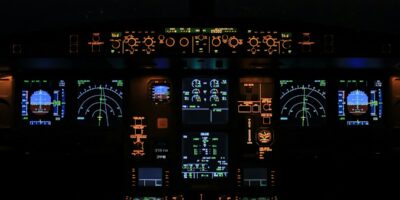
The FMS-3000 integrates navigation, performance data, and aircraft operations into one system. It helps pilots optimize flight paths and fuel burn. But the real star of the show — at least in my opinion — is the Pro Line Fusion suite. It bundles navigation, communication, and surveillance into one avionics package. I got to play with a Fusion-equipped King Air a couple years ago and it was genuinely impressive how intuitive the interface felt.
Navigation Systems
Their MultiScan Threat Detection System is probably the weather radar I hear the most praise for from working pilots. It gives you real-time weather data and helps you pick your way around the ugly stuff. The GLU-2100 Multi-Mode Receiver combines GPS, SBAS, and GLS for precise navigation. It’s the kind of thing you don’t appreciate until you’re shooting an approach in low visibility and everything just… works.
Autopilot Systems
The Pro Line 21 Advanced is their flagship autopilot. Auto-throttle, altitude hold, trajectory management — it handles the tedious stuff so pilots can focus on decision-making. I know some old-school pilots grumble about automation, but when you’re eight hours into a long-haul flight, having a reliable autopilot isn’t laziness. It’s safety.
Where They’ve Actually Pushed Things Forward
Collins was one of the first to bring Doppler weather radar to aviation. That might sound routine now, but at the time it was a genuine leap in flight safety. They also developed early Head-Up Display systems — projecting flight data onto the windshield so pilots could keep their eyes outside. Military pilots had it first, then it trickled into commercial aviation.
Their Next Generation Flight Management System (NGFMS) integrates advanced navigation with performance management, and they’re doing real work in the UAV space too.
Training and Support
Modern avionics are complex. No way around it. Collins offers both in-person and digital training programs for pilots and maintenance techs. They’ve also got service centers spread around the globe, which matters when you’re AOG somewhere inconvenient and need technical help yesterday. I’ve heard mixed reviews on hold times — what company doesn’t get that complaint? — but the actual technical support is generally solid.
The Environmental Angle
They’ve been pushing fuel-efficiency optimization through their avionics, which has a real impact on carbon emissions when you multiply it across thousands of aircraft. Their manufacturing processes follow strict environmental regulations too. Is it enough? Probably not — no one in aerospace is doing enough on that front yet. But at least they’re moving in the right direction.
Who Uses Collins Systems?
Short answer: almost everyone. Boeing, Airbus, Bombardier — they all partner with Collins Aerospace. You’ll find their gear in commercial airliners, business jets, and military aircraft. That kind of market presence doesn’t happen by accident. It comes from decades of building stuff that works when it absolutely has to.
What’s Next for Collins Avionics
The big challenges are the same ones facing everyone in aviation tech: AI integration, machine learning, and the sustainability push. They’re investing heavily in R&D for next-gen avionics, and they’ve got their eyes on urban air mobility and even space exploration. Whether all of that pans out remains to be seen, but given their track record, I wouldn’t bet against them. The aviation industry changes slowly until it doesn’t, and Collins has shown they can adapt when it counts.
Emily Carter
Author & Expert
Emily reports on commercial aviation, airline technology, and passenger experience innovations. She tracks developments in cabin systems, inflight connectivity, and sustainable aviation initiatives across major carriers worldwide.





Stay in the loop
Get the latest aviate ai updates delivered to your inbox.